In recent years, the use of terminal blocks in electronic equipment has become a very common phenomenon. The power of the power terminal itself is getting larger and larger, and the volume of the terminal is also developing in a larger direction.e.
Archives: Blog
What are the 6 things to be aware of when choosing a connector?
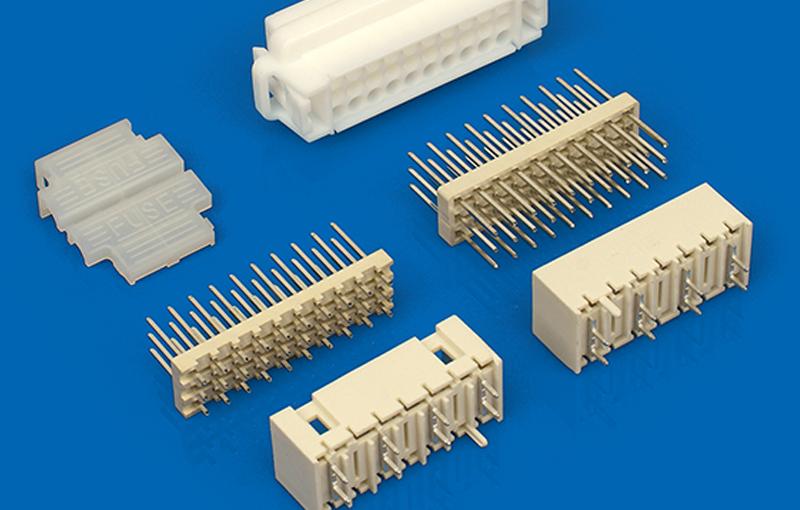
Connectors are indispensable parts of electronic equipment. If you follow the path of current flow, you will always find one or more connectors. It is a coupling device connecting electrical terminals to form circuits, which can realize the connection between wires, cables, printed circuit boards and electronic components, so it is widely used in electronic… Continue reading What are the 6 things to be aware of when choosing a connector?
What are cold-pressed terminal products
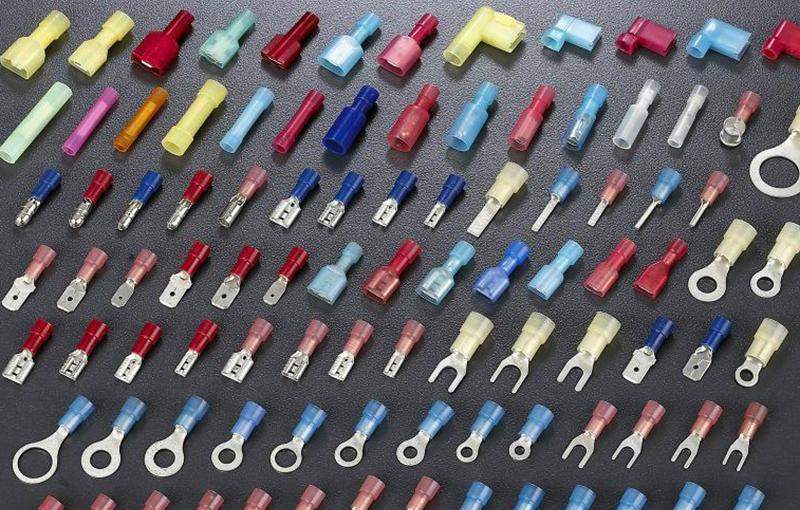
In the components, you must have heard of the terminal this product.
Standard procedure for force measurement of electrical connectors
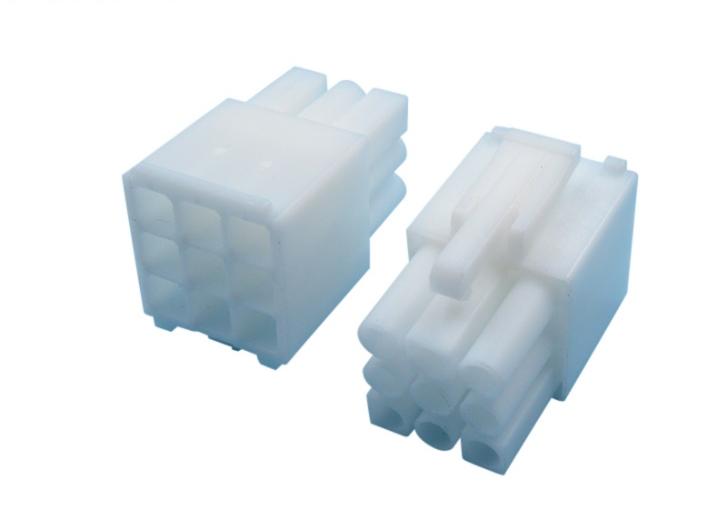
Electronic connector forms and structures are diverse
Correct operation of cord end terminal

Ensure the connection of cold end terminals.
How to do bad terminal pressing (some solutions to bad terminal pressing).

The terminal has three main parts: the matching part, the transition part and the crimping part. The crimp part is the only part whose design is affected by the crimp process. Here are some of the most common problems and corrective actions. The crimping height of conductor is too small or too large. Solution: adjust… Continue reading How to do bad terminal pressing (some solutions to bad terminal pressing).
What is SMD connectors

Speak of the SMD connector, technology achieves pasted on the surface is already in use in the 1950 s
Introduction to the four basic components of automotive connectors

The contact is the core part of the automobile connector to complete the electrical connection function.
What factors will affect wiring harness aging

The aging of wire harness is the most common problem of wire harness.
Do you know that the temperature resistance of the pin holder of the connector is related to these aspects?

The essential components of electronic products are inseparable from welding processing, so welding knowledge and product material temperature resistance are equally important.
The Specification of VH3.96 Terminal

The spacing of the VH3.96 terminal connector is 3.96MM, which is a large wire-to-board connector in common consumer electronics products.
How to produce reliable connector stamping terminals?

Stamping process is the first of the four core processes in manufacturing industry, and is also one of the main methods of metal plastic processing, widely used in precision parts processing
Why do connector production choose stamping process

As the first of the four core processes in manufacturing industry, the technological level of stamping production has a decisive impact on the quality of finished products
How does LHE achieve the stamping production of high quality terminals

Stamping process is the first of the four core processes in manufacturing industry, and is also one of the main methods of metal plastic processing, widely used in precision parts processing
Technical characteristics of board – to – board connectors

The board-to-board connector is used to connect two PCBS or PCB and FPC to achieve mechanical and electrical connections.