How to Select Connectors for Smart Home Appliances?
Smart home appliances are no longer simple electromechanical devices. A modern refrigerator might stream your grocery list to your phone. A washing machine could optimize its cycle based on real-time energy pricing. Behind every one of these features sits a network of electrical connectors that carry power, data, and signals through the appliance.
This article walks through the key considerations that matter most when choosing connectors for today’s connected home appliances.
How Smart Appliances Changed Connector Requirements
Traditional home appliances mainly used connectors for one purpose: reliable power delivery. In a washing machine, connectors linked the motor, control board, and sensors. The key requirements were simple: rated current, operating temperature, moisture resistance, and long-term durability.
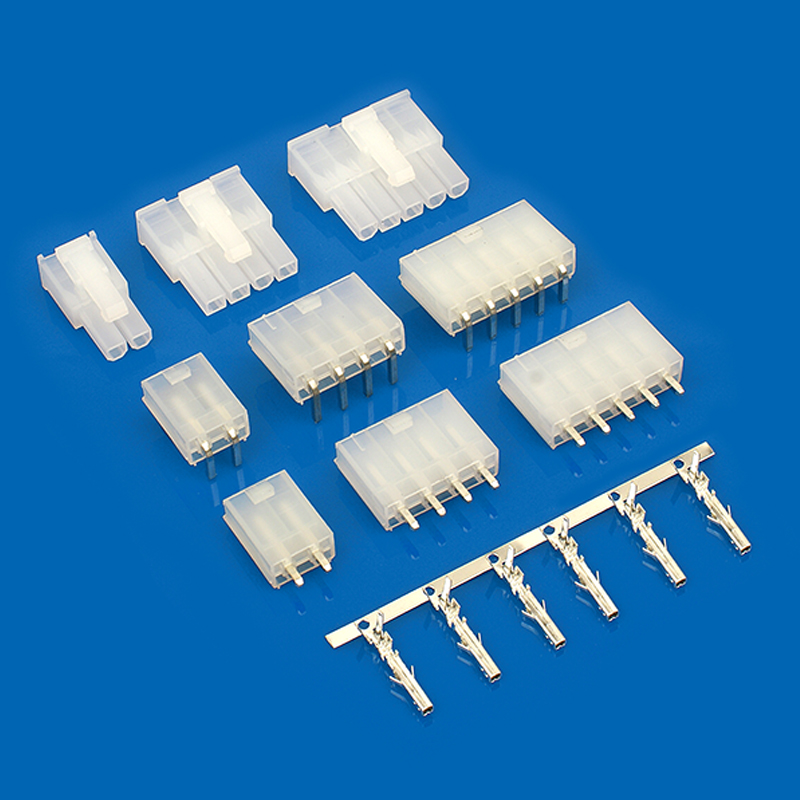
Smart home appliances have changed these requirements. Today’s refrigerators, washing machines, ovens, and air conditioners often include Wi-Fi modules, touch displays, sensor networks, and cloud-connected control systems. As a result, connectors must support both power transmission and data communication, sometimes within the same wiring harness.
At the same time, available internal space is becoming smaller. Appliance manufacturers are adding more functions without increasing product size, which creates demand for compact, high-density connectors. For design engineers, the right connector must save space, carry multiple signal types, and maintain stable performance throughout the appliance’s service life.
The Shift Toward Mixed-Signal Wiring
In older appliance designs, power wiring and signal wiring were separate systems with their own connectors. Engineers often used terminal blocks for power and pin headers for low-voltage control signals. Smart appliances blur this line. A single connector assembly might now carry 120V AC power alongside low-voltage data lines for an internal sensor network.
This convergence creates new challenges. Power lines can induce noise in adjacent signal lines if the connector is not designed with proper shielding and pin separation. Engineers evaluating connectors need to look at pin layout diagrams carefully and confirm that the manufacturer has tested the connector for crosstalk between adjacent circuits.
Key Factors to Evaluate When Sourcing Connectors
Operating Environment and Temperature Range
A dishwasher connector operates in a fundamentally different environment than a connector inside a smart thermostat. The dishwasher sees steam, detergent chemicals, and vibration during wash cycles. The thermostat sits in a dry, stable environment but must maintain signal integrity for years without maintenance.
When reviewing connector specifications, pay attention to the full operating temperature range listed in the datasheet. Many connectors rated for −40°C to 105°C work fine for indoor appliances, but applications near heating elements or in outdoor smart home devices may require ratings up to 125°C or higher.
Humidity resistance matters too. Look for connectors with sealed designs or conformal coating options if the appliance operates in a high-humidity environment. The IP (Ingress Protection) rating on a connector housing tells you how well it resists dust and water, though not all appliance applications need a high IP rating.
Current Rating and Voltage Drop
Every connector datasheet includes a current rating, usually specified at a particular ambient temperature. A common mistake is assuming this rating applies in all conditions. When multiple circuits are packed into a single connector housing, heat builds up faster, and the effective current rating drops.
For power connections inside appliances, calculate the expected continuous current draw and add at least a 25% safety margin. If a motor draws 4 amps during normal operation, choose connectors rated for 5 amps or more at the expected operating temperature. Undersized connectors generate heat, and heat accelerates wear on both the contact surfaces and the plastic housing.
Mechanical Durability and Mating Cycles
Some connectors inside an appliance will be connected once during assembly and never touched again. Others, like the connectors on a removable control panel or a detachable power cord, may go through hundreds of mating cycles over the product’s lifetime.
Connector manufacturers specify a rated number of mating cycles. A connector rated for 50 cycles is fine for permanent internal connections. For user-facing or serviceable connections, look for connectors rated for at least 500 cycles. Beyond the cycle rating, check the insertion and extraction force specifications. A connector that requires too much force to mate can slow down assembly lines, while one that mates too easily may work loose under vibration.
Matching Connector Types to Smart Appliance Applications
Wire-to-Board Connectors for Control PCBs
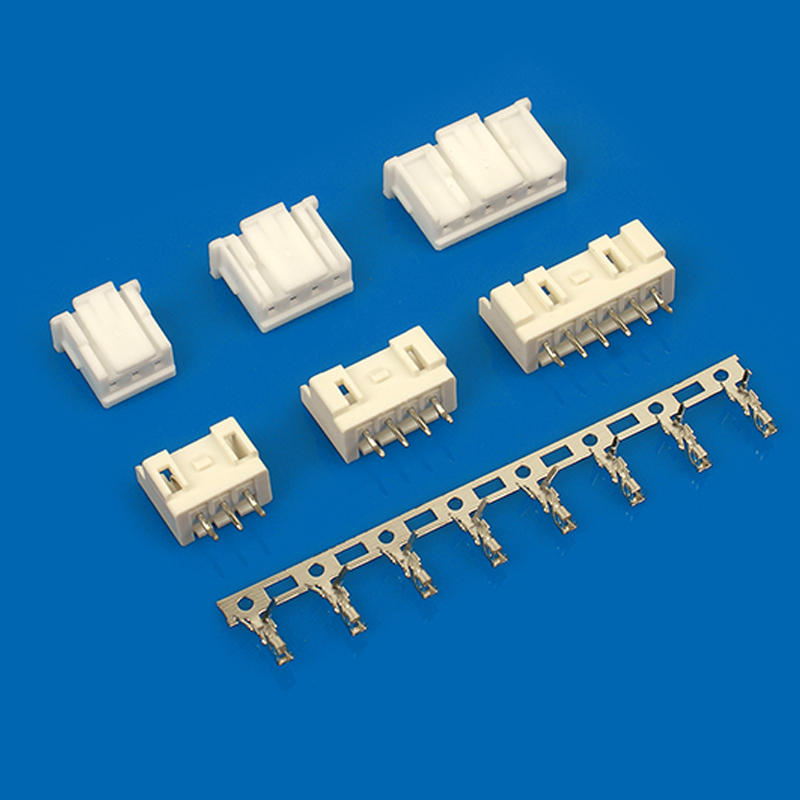
Wire-to-board connectors are the workhorses of appliance control boards. They connect sensors, actuators, and power inputs to the main PCB. For smart appliances, pitch sizes of 2.0mm and 2.5mm offer a practical balance between compact size and current capacity for most signal-level connections.
When selecting wire-to-board connectors for a control PCB, verify the retention force specification. Appliances experience vibration during shipping and operation, and a connector that unseats itself wipes out the reliability gains from every other design choice.
Wire-to-Wire Connectors for Internal Harnesses
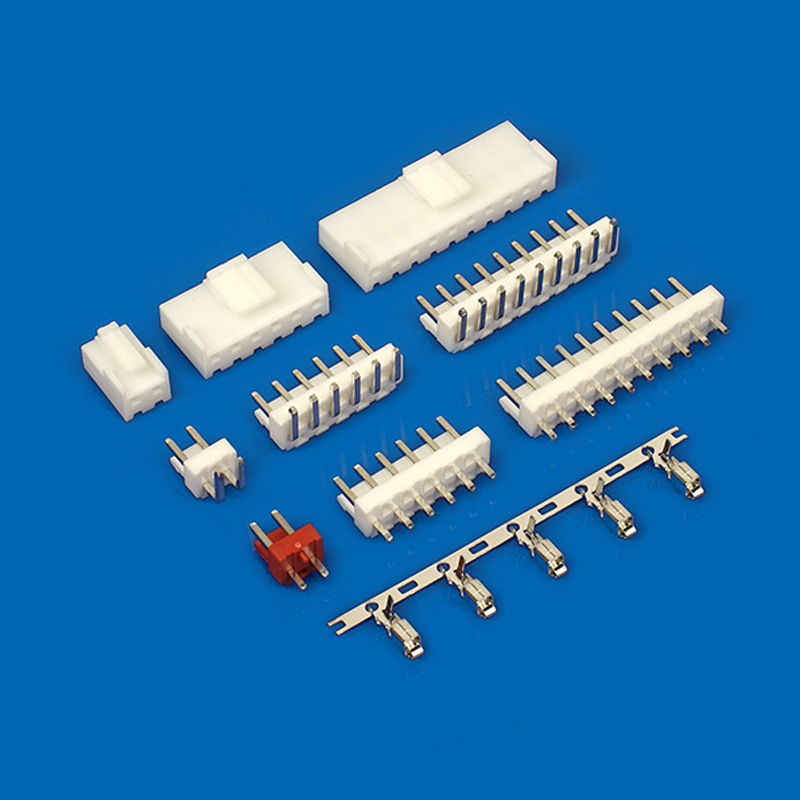
Inside the appliance, wire-to-wire connectors join sections of the wiring harness together. These connectors need robust locking mechanisms to prevent accidental disconnection. Look for designs with an audible click when fully mated, which helps assembly workers confirm a secure connection without visual inspection.
For smart appliances that include moisture-prone areas, sealed wire-to-wire connectors with silicone gaskets provide an extra layer of protection against corrosion.
Terminal Blocks for Power Distribution
Terminal blocks remain the standard choice for connecting incoming AC power and distributing it within the appliance. The key specification here is the wire gauge acceptance range. Smart appliances often use a mix of heavy-gauge power wiring and thin signal wires, so a terminal block that accepts a wide wire range reduces the need for multiple connector types.
The Importance of Certification and Compliance
For appliances sold in North America, connectors must meet UL standards. For the European market, IEC standards apply. Many connector manufacturers offer products certified to both standards, which simplifies sourcing for companies that export to multiple regions.
RoHS compliance is now baseline for consumer appliances, but additional environmental regulations like REACH in Europe may also apply. Make sure the connector supplier provides full material disclosure documentation.
Conclusion
As smart home appliances become more connected and compact, connector selection plays a key role in product reliability, signal integrity, and efficient assembly.
The right connector should match the appliance’s power, signal, space, temperature, moisture, and vibration requirements. For design engineers, this means choosing solutions that support stable performance throughout the product’s service life.
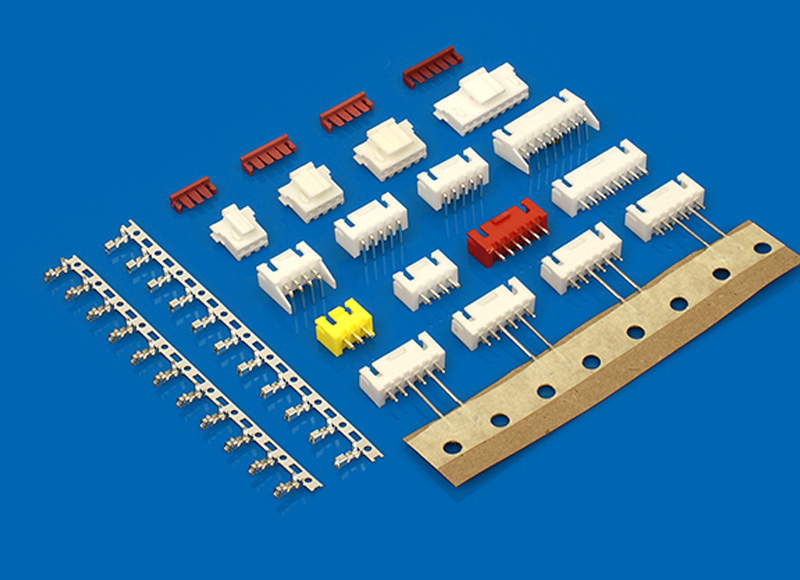
At LHE Electronics, we provide connector solutions for home appliances, including compact connectors, wire-to-board connectors, wire-to-wire connectors, terminal blocks, and customized interconnect solutions for refrigerators, washing machines, air conditioners, ovens, and other smart appliances.