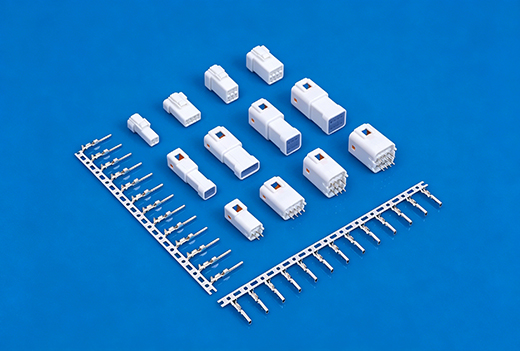
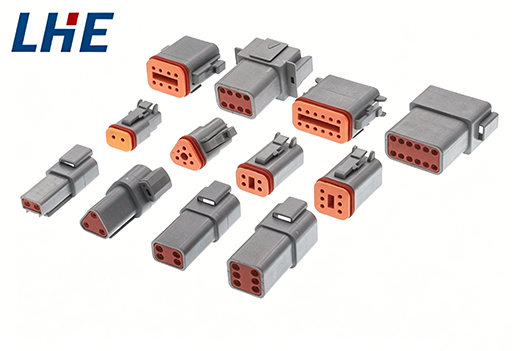
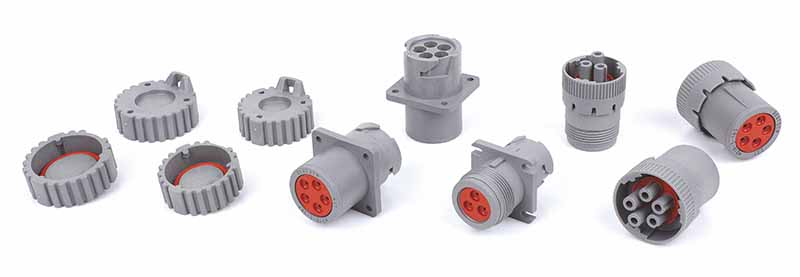
In automotive and industrial environments, electrical connectors are frequently exposed to moisture, dust, and temperature fluctuations. Without proper protection, these conditions can lead to corrosion, short circuits, and connection failure. Therefore, waterproofing wire harness connectors is a critical step in maintaining stable electrical performance and extending system lifespan.
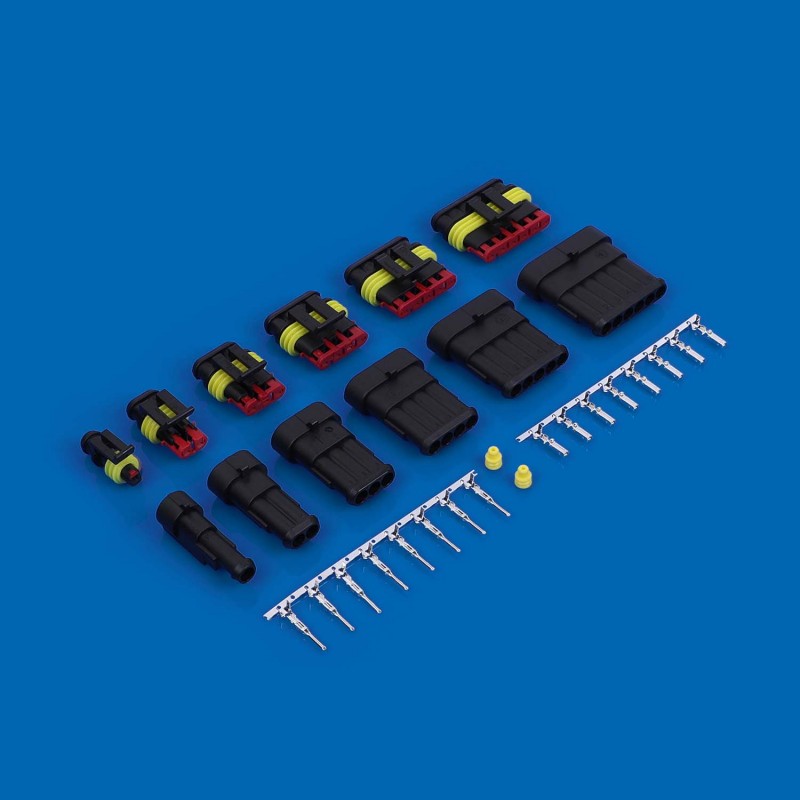
In this guide, we will detail the importance of waterproof wire connectors, how to install them step-by-step, and how to select the best waterproof wire connector for your needs.
Why Waterproofing Wiring Connectors Matters?
Electrical connections and harsh environments are a bad mix. Even a small amount of moisture inside a connector will eventually oxidize the metal contacts. Once that happens, resistance increases, and it’s only a matter of time before the connection fails.
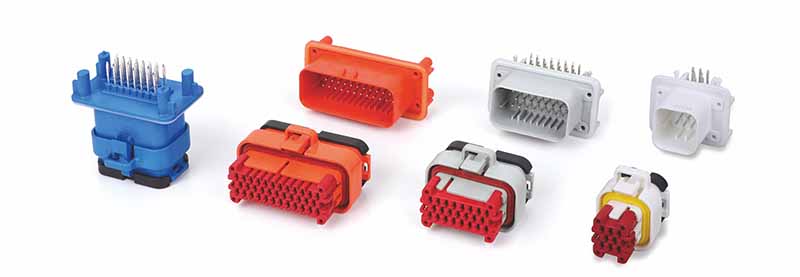
That’s exactly why waterproof connectors are non-negotiable. A proper seal locks out water and contaminants, which directly translates to:
- Zero corrosion or rust on critical components.
- Steady, uninterrupted electrical conductivity.
- A drastically lower risk of short circuits.
- Long-term durability, even in brutal environments.
This is especially critical in the automotive industry. Connectors under a vehicle face a constant barrage of water, road salt, and engine vibration. If the sealing isn’t flawless, the entire system is at risk.
How Wire Connectors Work?
Pop open any electrical junction box, and you’ll find a cluster of wire neatly tied together. What keeps this from turning into a chaotic, hazardous mess? The answer lies in wire connectors and terminal blocks.
These components form an armored, insulated seal that locks wires in place, eliminates the risk of short circuits, and strictly isolates live current from any surrounding metal. A rugged plastic shell conceals a specialized metal spring or grooved track designed to bite down on the copper and never let go.
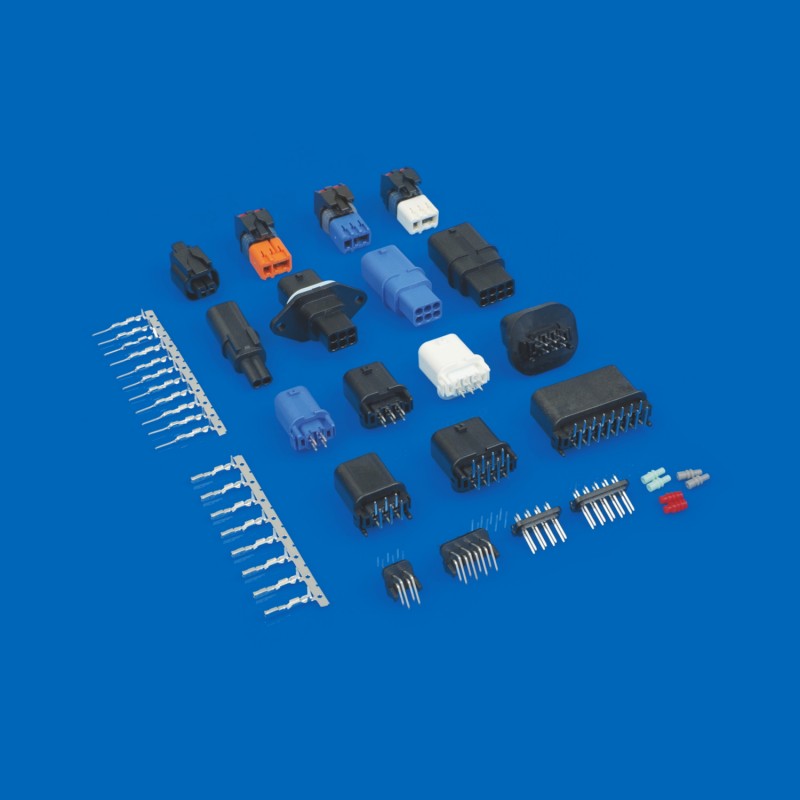
Because no two electrical jobs are exactly alike, connectors are purpose-built for the task at hand. The daily toolkit usually includes:
- Twist-on & Winged Caps: The industry standard for fast, secure splices.
- Push-in Connectors: For quick, tool-free insertions.
- Crimp Connectors: Ensuring permanent, high-strength bonds.
- Specialty Caps: Including heavy-duty underground and waterproof models for extreme environments.
Waterproof vs Water-Resistant: Understanding the Difference
Before selecting a solution, it’s important to distinguish between waterproof and water-resistant designs.
- Waterproof connectors are fully sealed and can withstand immersion under specific conditions.
- Water-resistant connectors can handle limited exposure but are not completely sealed against moisture.
For applications exposed to heavy rain, engine compartments, or outdoor environments, fully sealed connectors are generally preferred.
Benefits of Waterproof Wire Connectors
Waterproofing wire connectors is an effective way to protect electrical systems and support safe operation. By creating a tight, sealed barrier, it helps block out moisture, reducing the risk of rust, corrosion, and short circuits. Even in rainy or harsh conditions, properly sealed connections remain stable and continue to function as intended.
Here are some key advantages of waterproof wire connectors:
Enhanced durability: Waterproof connectors are designed to withstand vibration, pressure, and movement without compromising performance.
Corrosion resistance: By keeping out moisture and contaminants, they help protect metal components from oxidation and rust.
Temperature tolerance: The materials used can handle both high and low temperature environments, supporting consistent performance in varying conditions.
Easy maintenance: Waterproof connections can be cleaned with water or high-pressure tools without risking damage.
By sealing electrical connections effectively, waterproof connectors contribute to long-term reliability, stable performance, and improved safety across a wide range of applications.
Common Types of Waterproofing Solutions
There are several methods and materials used to protect wiring connectors. The choice depends on the application, environment, and required durability.
Sealed Connectors
These connectors include built-in gaskets or rubber seals that block water from entering. They are widely used in automotive wiring harnesses and outdoor equipment.
Heat Shrink Tubing
Heat shrink tubing, especially adhesive-lined types, creates a tight seal around the connection when heated. The inner adhesive layer bonds to the wire insulation, forming a protective barrier.
Silicone Sealants and Liquid Electrical Tape
These materials are applied over connections to create a flexible, waterproof coating. They are useful for irregular shapes or additional sealing layers.
Waterproof Connectors with Integrated Seals
Some connectors are designed with integrated sealing structures, such as O-rings or cavity plugs, to prevent moisture ingress without additional materials.
Step-by-Step Guide to Waterproofing Wiring Connectors
A structured approach helps ensure reliable sealing and long-term performance.
1. Turn Off Power
Always disconnect the power source before working on electrical connections. This reduces the risk of electric shock and protects the system during installation.
2. Prepare the Wires
Strip the insulation carefully, exposing clean conductor material. Avoid damaging the wire strands, as this can weaken the connection.
3. Select the Right Connector
Choose a connector designed for your application. Consider factors such as current rating, environmental exposure, and compatibility with the wiring harness.
4. Make the Electrical Connection
Insert the wires into the connector and secure them using crimping, soldering, or mechanical locking, depending on the connector type.
5. Apply Sealing Materials
Use heat shrink tubing, silicone sealant, or integrated sealing components to cover the connection. Ensure there are no gaps where moisture could enter.
6. Inspect and Test
After installation, check the connection for stability and verify that the seal is complete. Testing ensures that the connection performs as expected.
Additional Methods for Waterproofing Wire Connectors
Another effective way to protect wire connectors is by using grease-filled insulation displacement connectors. These are well suited for low-voltage applications, as the internal grease prevents moisture from reaching the metal contacts, helping keep the connection dry and corrosion-free.
You can also use crimp or solder connectors with adhesive-lined sleeves, which function similarly to heat shrink tubing. For crimp connectors, insert the wires, secure them firmly, and then apply heat. The outer sleeve shrinks and forms a tight, waterproof seal.
For solder connectors, insert the wires and apply heat until the built-in low-temperature solder melts and bonds the connection. At the same time, the adhesive lining seals the joint, creating a strong and moisture-resistant connection once cooled.
These methods provide reliable protection against water and environmental exposure while maintaining durable electrical performance.
Key Factors When Choosing Waterproof Connectors
Selecting the right connector involves more than just sealing capability. Several technical factors influence performance:
IP Rating
Ingress Protection (IP) ratings indicate how well a connector resists dust and water. For automotive applications, connectors rated IP67 or higher are commonly used for wet environments.
Material Durability
Connector materials must withstand temperature changes, chemicals, and mechanical stress. Thermoplastics and corrosion-resistant metals are commonly used.
Application Environment
Different areas of a vehicle or system have different requirements:
- Engine bay: high heat and vibration
- Exterior: exposure to water and debris
- Interior: lower environmental stress
- Mechanical Strength
Connectors should include secure locking mechanisms and strain relief features to prevent disconnection under vibration.