How to Choose the Right Automotive Electrical Connector for your Project?
Automotive electrical connectors play a critical role in vehicle systems. They ensure reliable power delivery and signal transmission. Choosing the right connector helps prevent signal interference, power loss, and system failures.
What Is an Automotive Electrical Connector?
An automotive electrical connector joins electrical circuits in vehicles, enabling power, data, or control signal transfer. Unlike standard connectors, they are engineered to withstand harsh automotive conditions, extreme temperatures (-40°C to 125°C+), vibration, moisture, dust, and chemical exposure (oils, fuels).
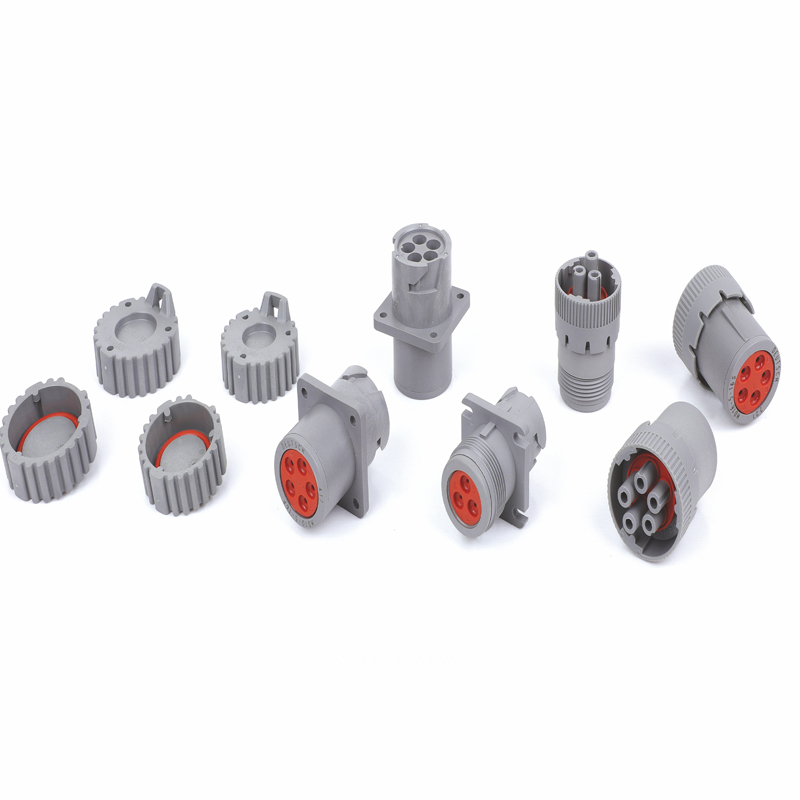
Typically consisting of a protective thermoplastic/thermoset housing and conductive copper/brass terminals (plated with tin, gold, or silver), these connectors comply with industry standards (ISO, SAE, DIN) for compatibility and safety.
Key Automotive Connector Types
Bos and Blade ConnectorsBlade connectors are flat, metal connectors that slide into a corresponding female slot. They are often called “box and blade” connectors because of the design of the male (the blade) and the female (the box). Their simplicity and reliability make them a popular choice for automotive systems.Pin and Socket connectorsPin connectors use a round pin inserted into a corresponding socket. These are used in heavy-duty applications where robust current capacity is needed.
Important Connector Criteria to Consider
Critical criteria for connector selection:
Current Rating: Must exceed the circuit’s maximum current draw to avoid overheating.
Voltage Rating: Match system voltage (12V/24V for standard vehicles; 400V/800V for EVs).
Environmental Resistance: IP-rated (IP67/IP68 for waterproofing) for temperature, moisture, dust, and chemical exposure.
Terminal Material/Plating: Copper/brass terminals with tin (affordable), gold (high-reliability), or silver (excellent conductivity) plating.
Wire Gauge Compatibility: Must accommodate the circuit’s wire thickness to prevent poor contact or overheating.
Pin Count: Sufficient pins for current needs, with room for future expansion.
Standards Compliance: Adhere to SAE J2037, ISO 6469, etc., for safety and compatibility.
Connector Locking and Retention Mechanisms
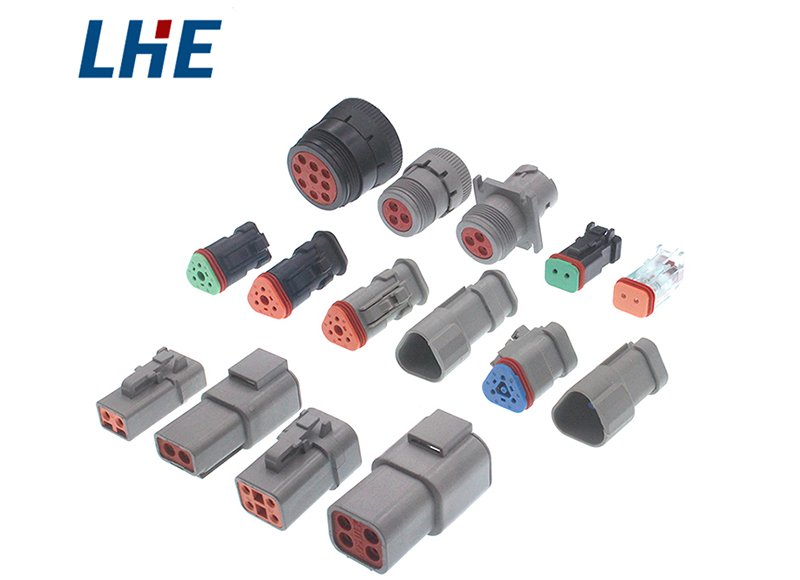
Locking and retention mechanisms are designed to keep connectors securely engaged, even under vibration, shock, or harsh operating conditions. Positive locking clips are commonly used in many automotive connectors, relying on molded plastic latches that allow quick mating and release while maintaining a secure connection. This approach is widely found in blade-style, pin-and-socket, and Weather Pack connectors.
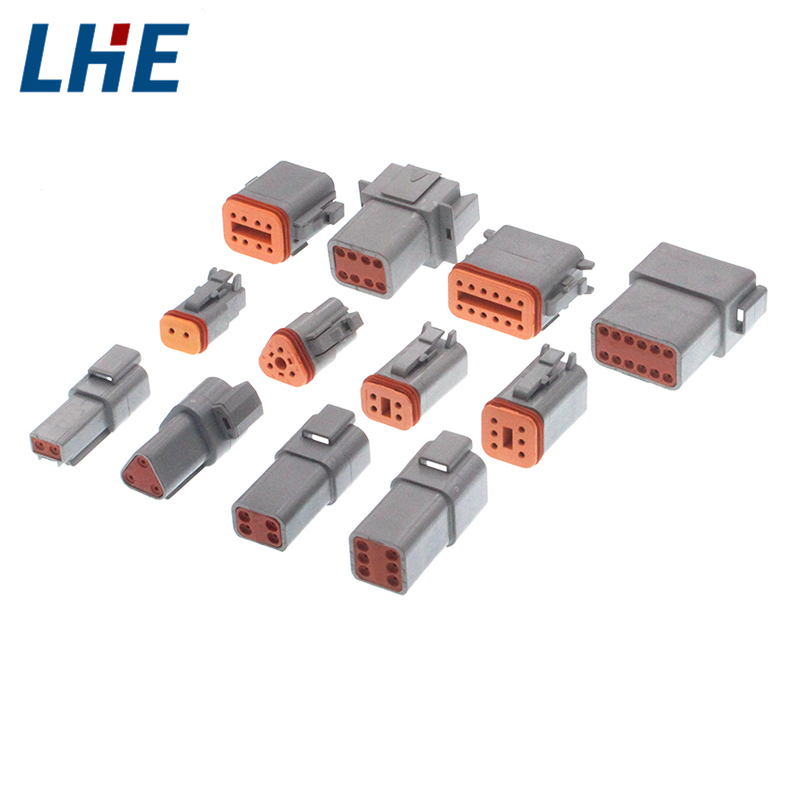
For applications exposed to higher levels of vibration, bayonet-style locking systems use a twist-and-lock motion to create a firm mechanical hold. These are often preferred in rugged environments, such as those using Deutsch connectors. In more demanding scenarios, such as high-voltage or high-pressure systems, threaded locking mechanisms provide maximum retention by mechanically fastening the connector halves together.
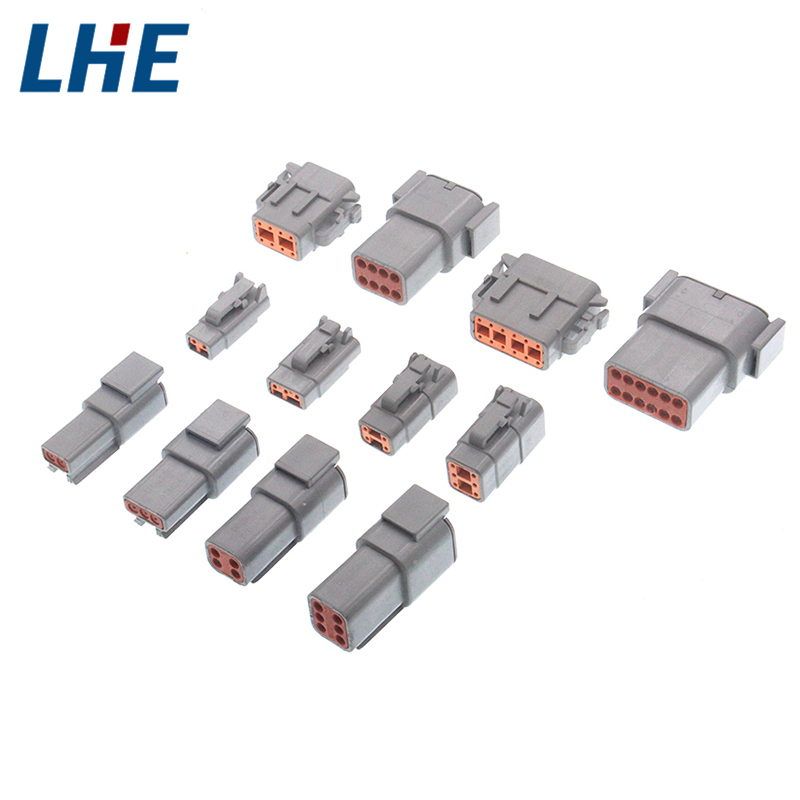
In addition to the connector interface itself, proper crimp retention is essential for long-term reliability. Secure crimping ensures a strong mechanical and electrical bond between the terminal and the wire, typically verified by pull-out force testing to confirm the integrity of the connection.
Matching Connectors to Your Project Needs
- Systematically align connector specs with project requirements:
- Define the application (location, circuit type: power/signal/high-voltage).
- Calculate maximum current/voltage using Ohm’s Law (I = P/V).
- Assess environmental conditions and select appropriate IP-rated connectors.
- Match wire gauge and pin count, accounting for future expansion.
- Ensure compatibility with OEM components or use standard types for easy sourcing.
- Balance performance with cost and availability of replacement parts.
Common Connector Selection Mistakes to Avoid
Even meticulously planned projects can encounter problems if connectors are chosen inappropriately. A common mistake is failing to consider the actual operating environment. If connector ratings are based solely on the interior environment of the vehicle, exposure to high temperatures, humidity, or chemicals can cause rapid aging. Designers should always select appropriate connector specifications based on the actual operating environment of the system.
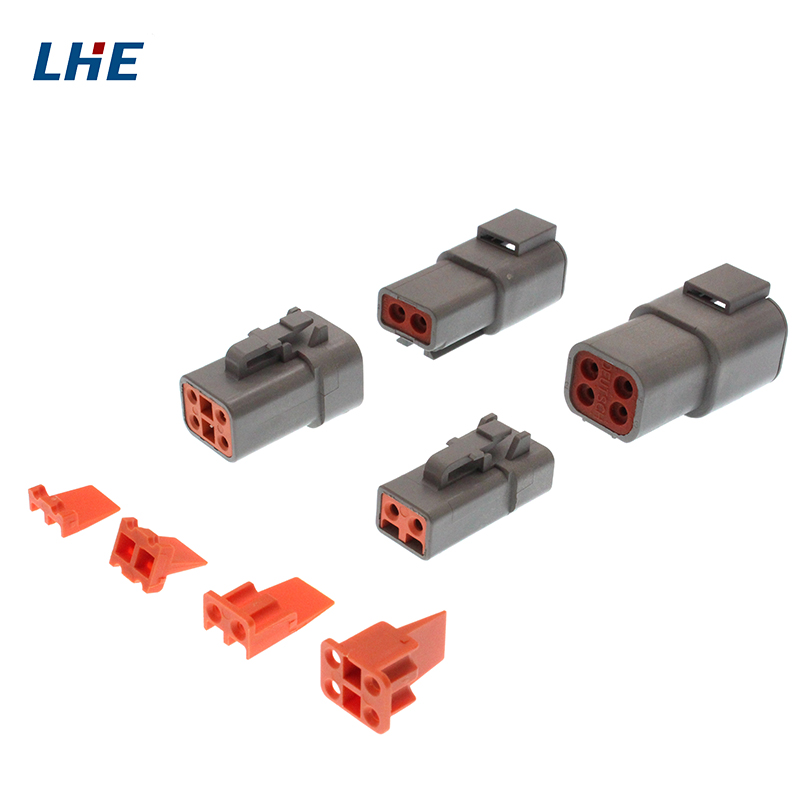
Another common problem is mismatched wire gauges and terminal sizes. Using the wrong conductor cross-section increases resistance, leading to overheating. Connector specifications and tooling requirements should be carefully verified before making large-volume purchases.
Finally, ignoring industry standards and regulatory requirements can create serious compliance risks. Connectors used in safety-critical systems must comply with applicable ISO, SAE, or regional certification standards. Choosing uncertified components to reduce upfront costs may ultimately delay approvals, vehicle certifications, and market access.
Conclusion
Choosing the right automotive electrical connector begins with matching its specifications to specific application requirements, including electrical load, operating environment, and system compatibility. A thorough understanding of connector types, performance standards, and common misconceptions helps ensure reliable operation and long-term safety.
No single, universal solution works for every design. Taking the time to evaluate various options, or consulting experienced engineers and suppliers, can help you select a connector that provides stable performance and durability throughout the vehicle’s entire lifecycle.