


The Most Commonly Used Deutsch Connectors in 2026
In industrial, automotive, and aerospace projects, connectors are crucial for achieving seamless power delivery and signal integrity. DECH connectors, renowned for their reliability in harsh environments, are an indispensable component of project success by 2026.
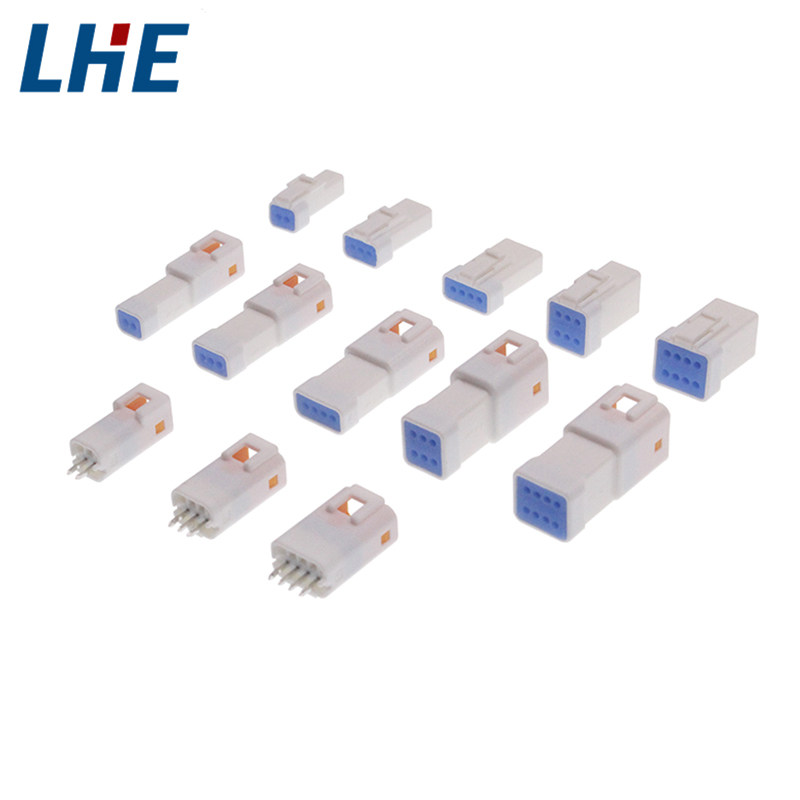
This article will provide a brief overview of their key advantages: unique strengths, series differences, selection criteria, top-of-the-line models, and maintenance tips.
What Makes Deutsch Connectors Special?
When inspecting Deutsch connectors, their superior engineering is immediately apparent. Deutsch connectors feature a robust thermoplastic housing that operates normally in temperatures ranging from -55°C to 125°C and are equipped with corrosion-resistant, oxidation-resistant nickel-plated or gold-plated copper alloy terminals. Silicone rubber seals ensure the connectors are dustproof, waterproof, and mudproof, and can be submerged in water up to 3 feet deep.
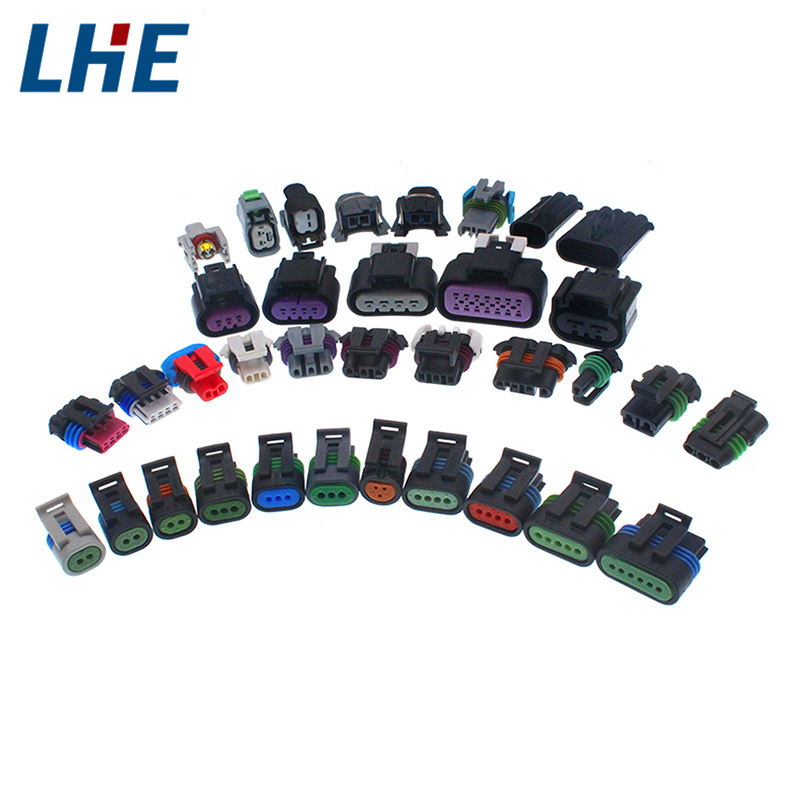
Deutsch connectors are available in a variety of shapes and sizes, but they all use a single, universal terminal. Deutsch connector terminals are available in five main sizes (4, 8, 12, 16, and 20) to accommodate a wide range of wire gauges and current ratings. With multiple mounting options, the Deutsch connector range offers versatility.
How Deutsch Connector Series Different?
Deutsch’s core series are tailored to specific scenarios:
DT Series: Versatile, cost-effective for industrial/automotive use (2-12 contacts, 25A, IP67), ideal for agricultural/construction machinery.
DTP Series: High-power (60A per contact, IP68), designed for EV powertrains and renewable energy inverters with enhanced heat dissipation.
DTHD Series: High-density (up to 100 contacts, 0.64mm pins) for aerospace/automation, complying with MIL-DTL-38999 for extreme conditions.
DTM Series: Rugged aluminum shell, corrosion-resistant (salt spray certified), suited for offshore, mining, and outdoor telecom infrastructure.
Criteria for Choosing the Right Connector
Select Deutsch connectors by evaluating these key factors:
Environment: Match temperature, vibration, and corrosion resistance (e.g., DTP for high temps, DTM for marine use).
Electrical Parameters: Align rated current/voltage with project needs (DTP for 60A high-power, DTHD for low-resistance signals).
Mechanical Requirements: Consider contact count, installation space, and插拔 life (DTHD for high density, DT for compact spaces).
Compliance: Ensure alignment with ISO/IEC standards and RoHS for international projects.
The Most Commonly Used Deutsch Connectors in 2026
| Connector Series | Pin Count | Current Rating | Operating Temperature | Typical Applications |
| DT Series | 2–24 | 7.5 A | −40°C to +125°C | Automotive systems, industrial equipment |
| DTP Series | 2–12 | 13 A | −40°C to +125°C | Heavy machinery, agricultural equipment |
| DTHD Series | 2–7 | 20 A | −40°C to +150°C | Railway systems, marine applications |
| DTP High-Voltage Series | 2–8 | 16 A | −40°C to +125°C | Electric vehicles, battery systems |
| DTH Series | 2–10 | 12 A | −40°C to +125°C | Telecommunications, aerospace applications |
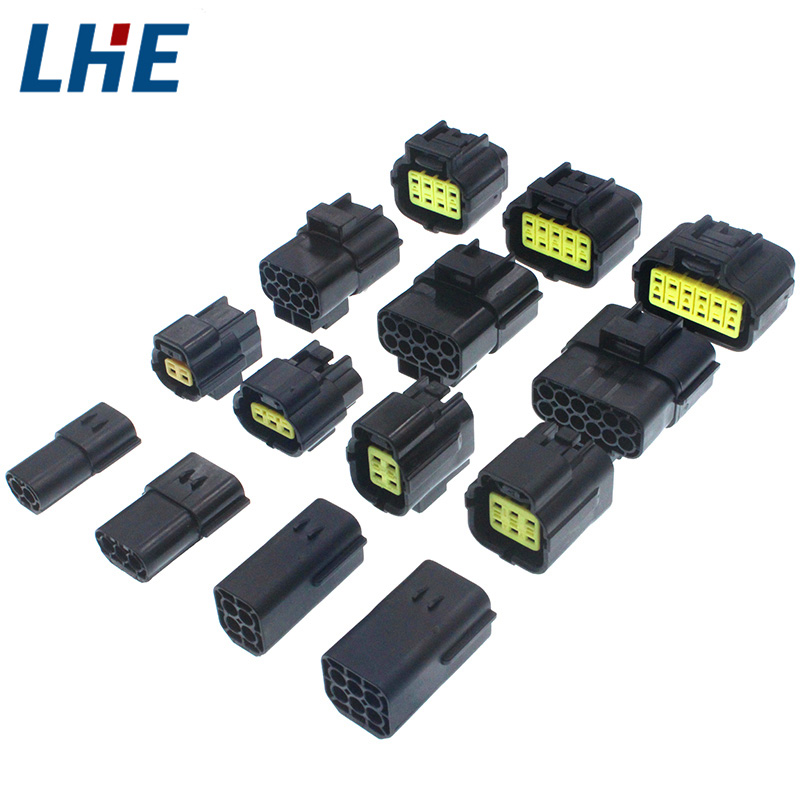
Deutsch Connector Maintenance Tips
Extend connector lifespan with these practices:
Proper maintenance helps extend the service life of Deutsch connectors and ensures consistent performance in demanding environments. Contacts should be cleaned periodically using anhydrous alcohol, and dust caps should be installed on unmated connectors to prevent contamination during storage or downtime. Locking mechanisms and connector housings should be inspected regularly for signs of wear, cracks, or damage, with any defective components replaced promptly.
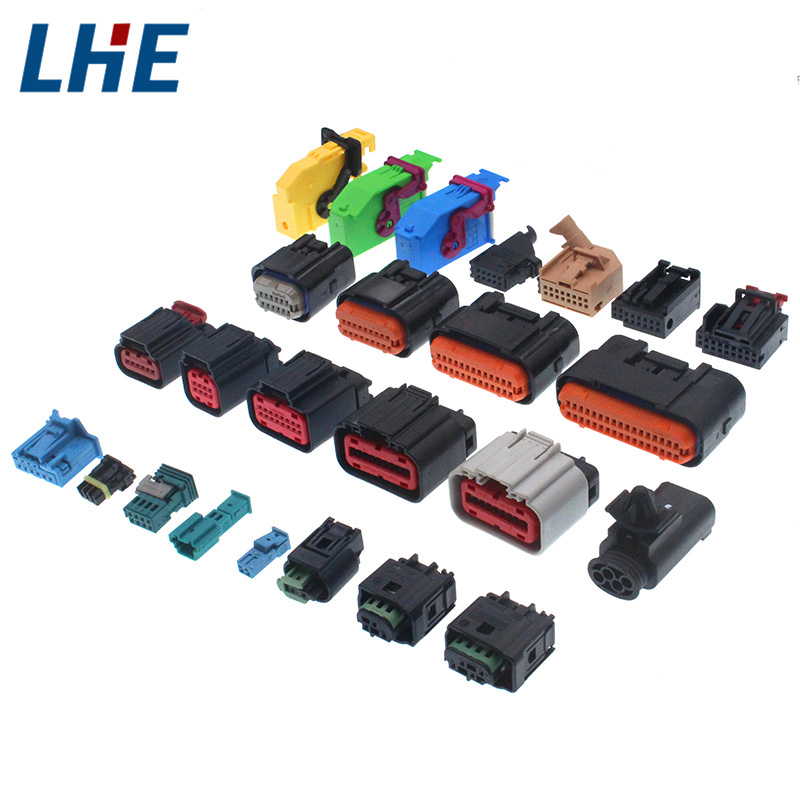
Correct installation is equally important. Always follow recommended installation procedures, including torque specifications and wire stripping guidelines, to avoid damaging terminals or seals. Environmental conditions should also be monitored closely, and protective measures such as heat shields or moisture barriers should be applied when required. For spare connectors, storage in a clean, dry, and temperature-controlled environment, ideally between 15–30°C with 40–60% relative humidity, helps preserve material integrity and long-term reliability.
Conclusion
With their proven strength, durability, and versatility, Deutsch connectors continue to be reliable solutions for demanding applications in 2026.
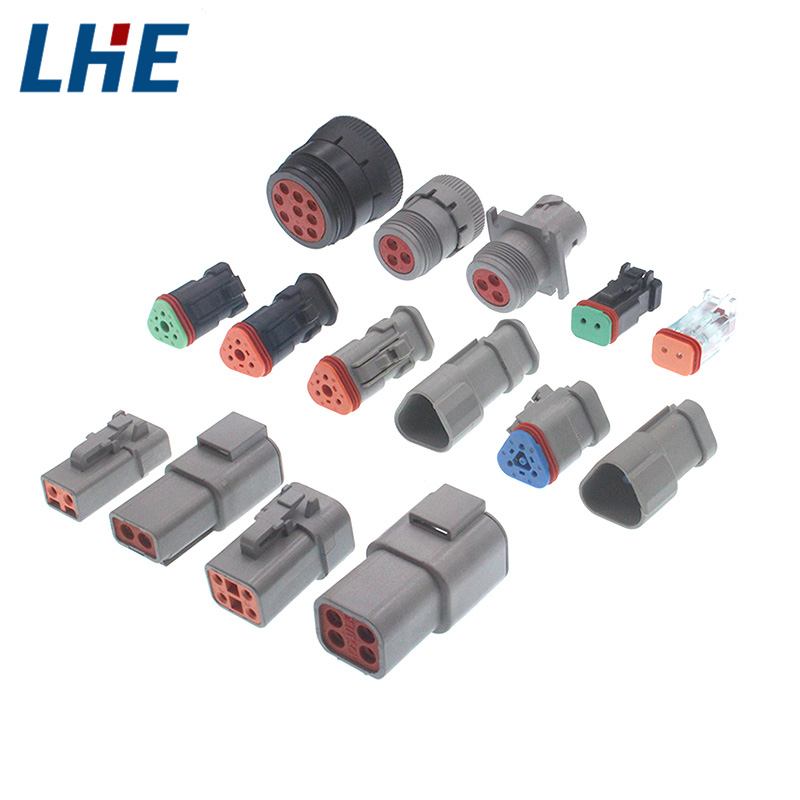
As a trusted connector manufacturer, LHE Electronics emphasizes the importance of understanding key product features, series differences, selection criteria, and proper maintenance to help engineers achieve optimal performance and long-term reliability in their designs. By choosing the right connector for each application and following best practices for selection and care, you can reduce downtime and ensure dependable connectivity throughout the life of your project.
