What Are the Performance Tests of Automotive Connectors?
Automotive connectors play a crucial role in vehicle electrical systems. They connect sensors, control units, power circuits, and communication modules. Due to their central function, automotive connectors must provide reliable performance under a wide range of conditions. Therefore, manufacturers and engineers rely on performance testing to verify the quality of connectors before approving their use in mass-produced vehicles.
In this article, we will explore the key performance tests used for automotive connectors, covering aspects from contact resistance and vibration testing to environmental exposure and thermal cycling testing. We will also explain the importance of these tests for reliability, safety, and long-term performance.
Why Performance Tests Matter?
Automotive environments expose connectors to heat, moisture, vibration, chemicals, and electrical stress. Connectors must maintain reliable electrical paths and mechanical stability despite these conditions. Inadequate performance can lead to signal loss, power interruption, or total system failure. Therefore, performance tests are used to simulate real world conditions in a controlled setting.
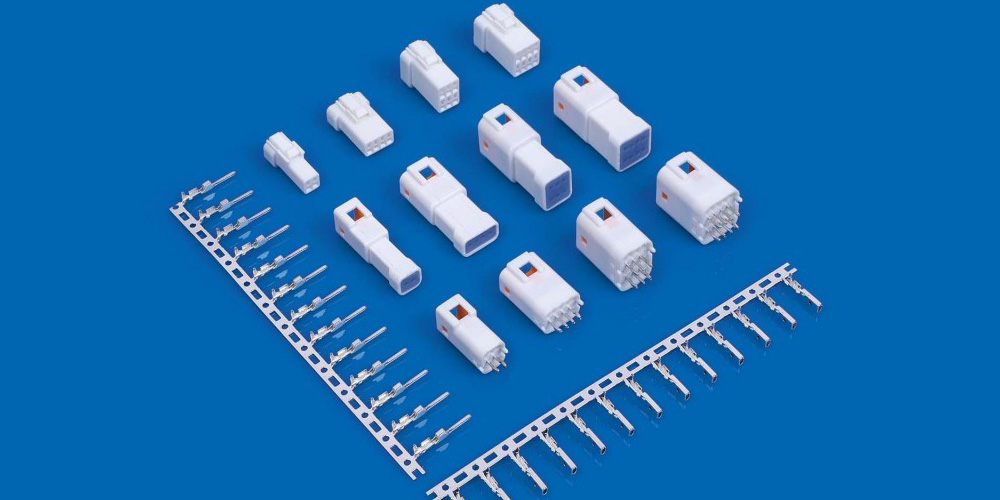 These tests provide clear data that engineers can use to compare connector designs and materials. By using standardized test procedures, manufacturers can ensure that their products meet industry requirements and customer expectations.
Electrical Performance Tests
Contact Resistance Testing
Contact resistance measures the resistance between mating contact surfaces. Low resistance is essential for efficient current flow and reduced power loss. To measure this, a small current is applied across the contact pair while voltage drop is recorded. The resulting resistance value shows how well the metals and plating work together to conduct electricity.
High contact resistance can be caused by poor material choice, inadequate surface finish, or contamination. Connectors that show elevated resistance during testing may experience heating and performance degradation in service. Regular contact resistance testing helps confirm that the connector will maintain reliable electrical connections over time.
Insulation Resistance Testing
Insulation resistance testing evaluates the resistance between conductive parts and the insulating materials that separate them. This test determines how well the connector prevents electrical leakage. High insulation resistance is especially important for high voltage circuits, where leakage current can create safety risks or interfere with system performance.
In this test, a high voltage is applied between contacts and insulation barriers. The amount of leakage current is measured, and the insulation resistance is calculated. If the measured resistance falls below acceptable limits, the insulation material or design must be revised.
Dielectric Withstand Testing
Dielectric withstand testing exposes the connector to a voltage higher than its normal operating value. The goal is to ensure that the insulation can withstand voltage stress without breaking down. This test quickly identifies weaknesses in insulation materials or manufacturing defects such as air gaps or voids. Failure during dielectric testing is a sign that the connector might fail under surge conditions in a vehicle.
In this test, voltage is ramped up gradually and held for a defined period. Any leakage or breakdown during this stage indicates a problem with insulation integrity.
Mechanical Performance Tests
Mechanical Endurance or Mating Cycle Testing
Automotive connectors often see many assembly or service cycles. Mating cycle testing measures how well a connector can endure repeated connection and disconnection without performance loss. A sample connector is repeatedly mated and unmated for a specified number of cycles, while contact resistance and physical wear are monitored.
The results provide insight into the connector’s durability. Poor performance in this test can indicate weak latch mechanisms, poor plating wear resistance, or design issues that cause contact deformation.
Vibration Testing
Vehicles experience constant vibration from the engine, road conditions, and environmental factors. Vibration testing simulates these conditions by imposing specific vibration profiles on the connector assembly. During testing, the connector is exposed to different frequencies and amplitudes while electrical continuity is monitored.
Failing this test can indicate poor mechanical design or inadequate strain relief, both of which can lead to loose connections or broken wires in the field. Vibration testing helps ensure that the connector maintains electrical paths under dynamic stress.
Shock Testing
Shock testing evaluates connector performance under sudden impact forces, such as bumps or drops during transportation and assembly. The connector is subjected to short duration pulses, and performance is monitored for lost continuity or mechanical damage. The ability to withstand these shock pulses is essential for applications where connectors are exposed to impacts during vehicle life or handling.
Shock and vibration tests are often performed together or in sequences that mimic real automotive environments.
Environmental Performance Tests
Thermal Cycling Testing
Thermal cycling subjects connectors to alternating temperature extremes. This test replicates the temperature shifts that occur in engine compartments or outdoor vehicle applications. Connectors are exposed to low and high temperature extremes for multiple cycles while monitoring electrical and mechanical performance.
Thermal cycling can reveal issues such as material expansion mismatch, insulation cracking, or contact separation. These failures may not show up in a single static test but can develop over repeated temperature changes.
Humidity and Moisture Exposure
Connectors used in locations exposed to moisture must resist corrosion and maintain insulation integrity. Humidity testing places connectors in high humidity chambers for prolonged periods. Moisture can permeate the insulating materials or corrode metal surfaces. Measuring insulation resistance and contact resistance after exposure helps determine how well the connector will handle moisture over its life.
Salt Spray or Corrosion Testing
In regions where road salt is used in winter, connectors can be exposed to corrosive conditions that accelerate metal degradation and insulation breakdown. Salt spray testing accelerates this exposure by placing samples in a salt fog environment for defined periods. Subsequent performance testing shows how well plating, contacts, and materials resist corrosion.
Connectors intended for exterior applications or vehicles used in harsh climates must perform well in salt spray testing to ensure long term reliability.
Chemical Resistance Testing
Automotive environments expose connectors to fuels, oils, coolants, and cleaning agents. Chemical resistance testing involves exposing samples to these fluids for defined durations and temperatures. Performance measures after exposure, including insulation resistance and mechanical integrity, help confirm that the materials can handle real world service conditions.
Combined Stress Testing
For many applications, automotive connectors must endure more than one stress factor at a time. Combined stress testing subjects connectors to multiple conditions such as temperature cycling plus vibration. These tests help simulate real world scenarios where environmental and mechanical stresses occur simultaneously.
For example, connectors in engine compartments might face vibration while experiencing wide temperature swings. Combined stress tests reveal interactions that single factor tests may not uncover.
Standards and Protocols
Performance tests follow specific industry standards and test protocols. Automotive manufacturers often use guidelines from international standards organizations to ensure uniformity. Standard test methods make it possible to compare products and validate compliance with regulatory and customer requirements.
Adherence to these standards ensures that connectors meet minimum performance thresholds for safety, durability, and reliability. Many automakers require test reports or certification data as part of supplier qualification.
Conclusion
Evaluating the performance of vehicle connectors involves assessing several key factors, including electrical, mechanical, environmental, and electromagnetic compatibility (EMC) performance. By focusing on these aspects and conducting thorough testing, manufacturers can ensure the reliability of connectors and meet the demanding standards of the automotive industry.
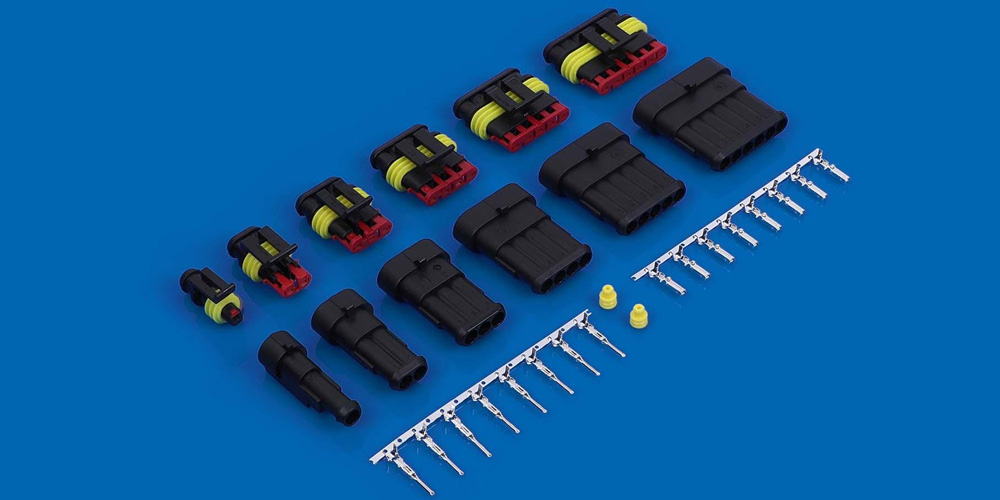 These performance tests guarantee that connectors will function properly throughout the vehicle’s entire lifespan. By understanding and implementing rigorous testing protocols, manufacturers and designers can ensure that automotive electrical systems remain reliable, safe, and efficient, regardless of where the vehicle is driven.
If you’re in need of high-quality automotive connectors, feel free to reach out to us. We offer a comprehensive range of connectors suited for various automotive applications, providing exceptional performance. Whether you’re working on a small-scale project or large-scale production, we can deliver the ideal solution tailored to your needs.