Why Automotive Connectors Fail and How to Pick Replacements That Last
A shop sees it every winter. A customer rolls in with a check engine light or a taillight that works one day and goes dark the next. The mechanic pulls the connector apart to find green fuzz on the terminals and a rubber seal that crumbled into dust. The connector itself is fine. The contacts inside are not. What looks like a simple plug is actually the most overlooked failure point in a vehicle’s electrical system.
This article explains why connectors fail, where the trouble spots are, and what to look for when you need a replacement that will not send the same customer back in six months.
Why Connectors Fail in the First Place
Water, Salt, and Corrosion
Water sneaks in through cracked seals, missing cavity plugs, or connectors that were never fully clicked together. Once moisture reaches the metal terminals, corrosion starts. Road salt speeds the process dramatically. A connector in a wheel well sees spray every time the vehicle rolls through a puddle.
Within one winter of salted roads, unprotected terminals can develop enough surface corrosion to raise contact resistance. The circuit still works at low current. At higher load the resistance heats up and the connection degrades further. The green or white powder you see on corroded terminals is the result of galvanic action between different metals in the contact and the wire.
Heat, Cold, and Constant Movement
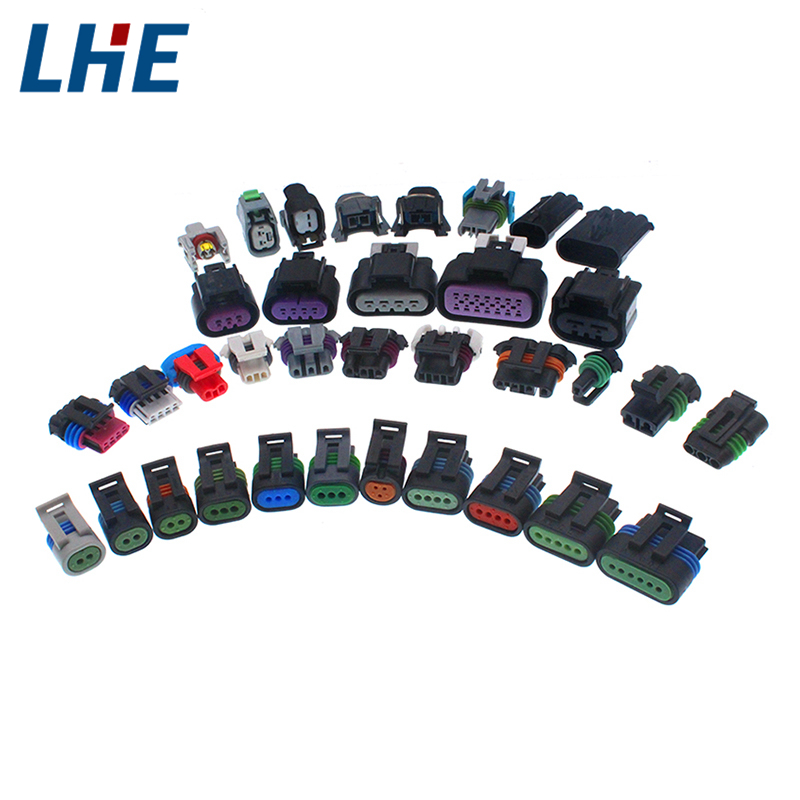
Underhood connectors cycle from freezing cold to over 200 degrees Fahrenheit. The plastic housing expands and contracts at a different rate than the metal terminals inside. After a few thousand of these cycles, the terminal can lose grip inside the housing.
Vibration makes it worse. A connector mounted on the engine block shakes at frequencies that work terminals loose over tens of thousands of miles. The combination of heat cycling and vibration is harder on connectors than either condition alone.
Bad Installation from the Start
A connector that was not fully seated at the factory or during a repair will cause problems months later. The latch looks closed but the internal terminals never made full contact. The gap creates a high resistance point that generates heat under load. Crimps done with the wrong tool or without proper strain relief leave the wire connection vulnerable to pull out. A connector assembled in a hurry is a warranty claim waiting to happen.
Where Connectors Fail Most Often
Under the Hood
Engine bay connectors sit in the hottest, most vibration heavy zone in the vehicle. Ignition coil connectors, fuel injector connectors, and sensor connectors on the intake and exhaust all live inches from major heat sources. The wiring flexes every time the engine moves on its mounts. Connectors near the top of the engine also catch water from rain or car washes that drains through hood gaps and cowl vents.
Exterior Lights and Sensors
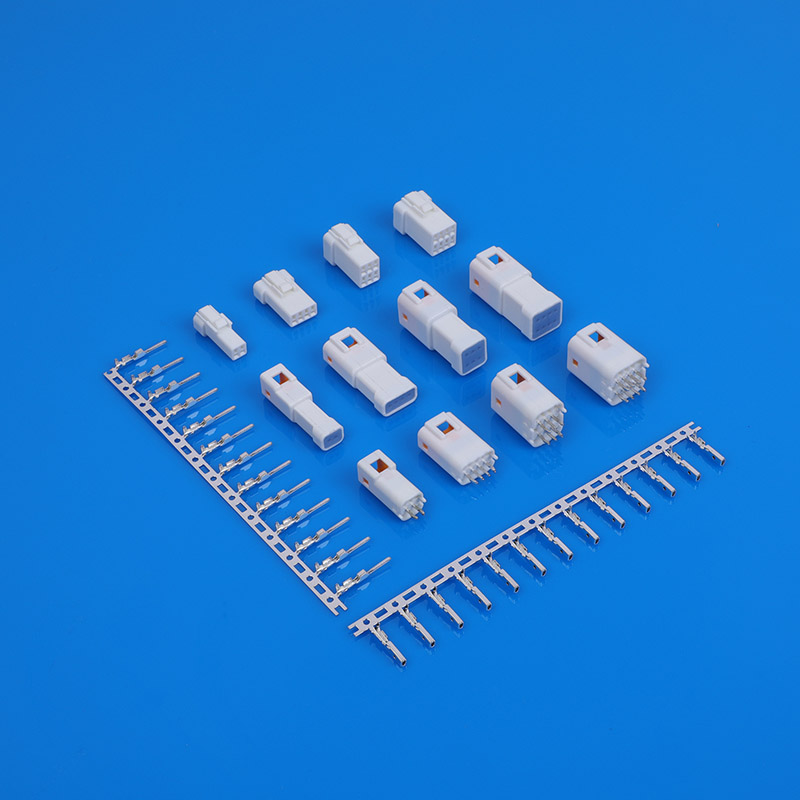
Taillight and headlight connectors sit right where road spray and condensation collect. A cracked lens lets water drip straight onto the bulb socket. ABS wheel speed sensor connectors live inside the wheel well and get blasted with water, dirt, and salt every mile the vehicle moves. These are among the highest failure rate connectors on any car because the environment is so hostile and the connectors are rarely inspected until a warning light comes on.
Undercarriage and Chassis
Connectors for oxygen sensors, transfer case controls, and trailer wiring hang under the vehicle where they face direct road spray, gravel impact, and standing water. Chassis ground points corrode where the ring terminal meets bare metal on the frame. A single corroded ground can cause electrical problems across multiple systems because several circuits share the same ground path.
Signs You Have a Connector Problem
Electrical Problems That Come and Go
An intermittent fault is the classic sign of a connector issue. The taillight works in the morning and goes out by afternoon. The power window works on Tuesday and quits on Wednesday. The engine misfires only when the vehicle hits a bump. These are not wiring failures. Wires do not heal themselves. Connectors lose contact and reconnect as the vehicle moves, heats up, and cools down.
What to Look For With the Connector in Your Hand
Pull the connector apart and look at the terminals. Discoloration from bright silver to dull gray or black means oxidation. Green or white powder means active corrosion. A melted spot on the housing near a terminal means that circuit ran hot from high resistance. Rubber seals that feel hard, cracked, or flattened have lost their ability to keep water out. If the terminal wiggles in the housing or pulls out with a light tug, the retention lock is shot and the whole connector needs replacement.
How to Pick a Replacement That Will Last
Sealed or Unsealed: Match the Environment
Sealed connectors use rubber grommets around each wire and a gasket at the mating face to block water and dust. For any location that sees moisture, a sealed connector is not optional. An unsealed connector used where water is present will fail. The housing on a sealed connector costs more than an unsealed one. The extra cost is less than the labor to replace it again in a year.
Terminal Material Makes a Difference
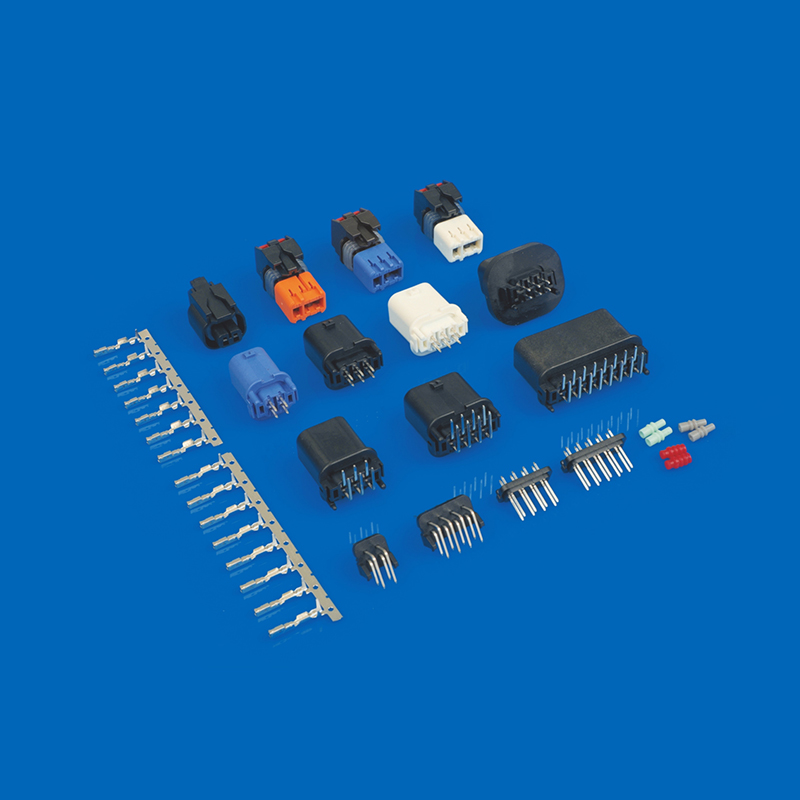
Brass and copper terminals carry current well but corrode without a protective coating. Tin plating is the standard for most automotive connectors. It provides solid corrosion protection at a reasonable cost. Silver plating handles higher temperatures and offers lower contact resistance. Gold plating resists corrosion the best and holds up under repeated connection cycles. For a sensor connector that gets unplugged for service every 30,000 miles, gold plated terminals outlast tin.
Buy From a Supplier With Verified Quality
The aftermarket is full of connectors that look right but use thinner terminal material, weaker locking tabs, and rubber seals that harden in half the time. Ask your supplier whether their connectors are tested to USCAR or LV214 standards. These test specs cover terminal retention force, contact resistance after environmental aging, and seal integrity under temperature cycling.
Simple Steps to Keep Connectors Working
Inspect and Clean on a Schedule
Once a year or at every major service, unplug a few key connectors and look inside. Headlights, taillights, and any connector under the vehicle are the ones to check first. A shot of electrical contact cleaner removes light oxidation. Dielectric grease applied inside the connector housing helps seal out moisture. Use it on the rubber seal and the housing mating surface. Do not pack the terminal cavity full of grease. A thin film around the seal is enough.
Press Until It Clicks
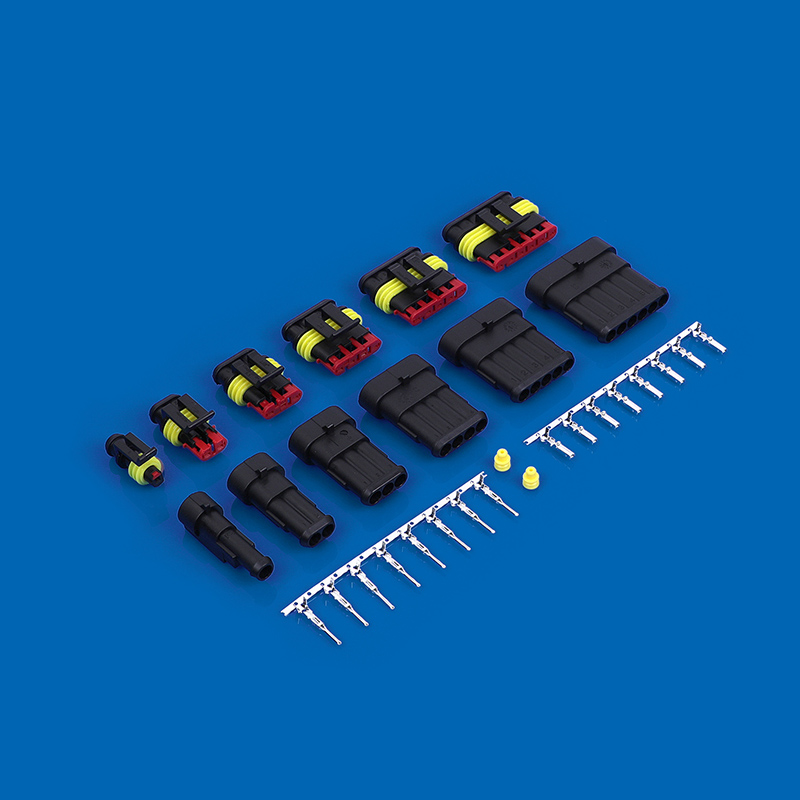
When you plug a connector back together, push until the latch clicks. Then give the connector a light pull to confirm it is locked. A connector that looks seated but has not latched will vibrate apart on the road. The click tells you the primary lock is engaged. If the connector has a secondary lock, slide it into place after the primary lock clicks. These two steps take two seconds and prevent weeks of chasing an intermittent electrical fault.
When Repair Is Not Worth It
A connector with a melted housing, terminals that will not stay seated, or seals that have turned to hard plastic is beyond saving. You can clean terminals and replace individual seals. You cannot restore plastic that has gone through thousands of heat cycles and lost its mechanical strength. A new connector costs less than the diagnostic time spent tracking down an intermittent fault that comes back every time the vehicle hits a bump. Replace the connector, crimp fresh terminals onto clean wire, and move on.
Conclusion
Automotive electrical systems are only as reliable as the connectors that keep them together. Choosing the right replacement connector is not just about matching the shape—it is about ensuring long-term performance under heat, vibration, moisture, and harsh road conditions. A high-quality connector helps reduce electrical failures, minimizes repeat repairs, and keeps vehicles operating safely for years to come.
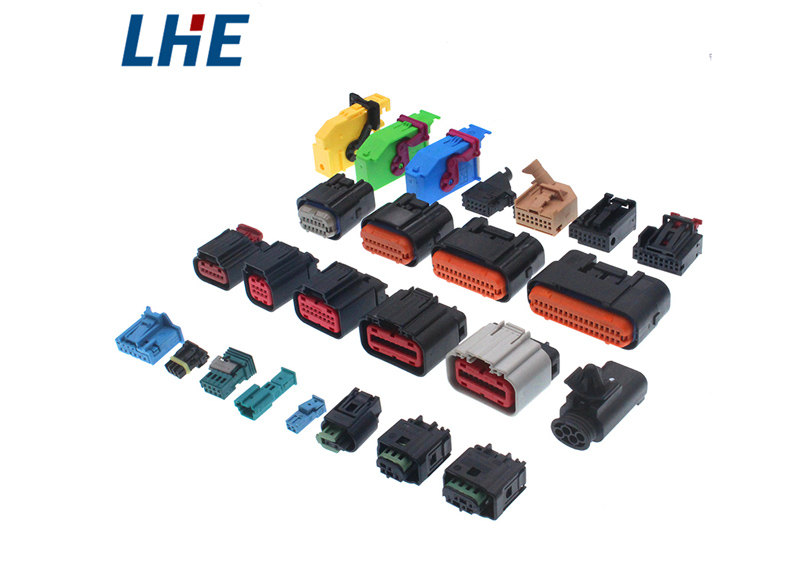
At LHE Electronics, we manufacture automotive connectors designed for demanding environments, with strict quality control and dependable sealing performance. Whether you need OEM-compatible replacements, custom connector solutions, or large-volume supply for automotive applications, our engineering team is ready to help.