A Complete Guide to Wiring Terminals for Reliable Electrical Connections
In every electrical or electronic system, ensuring a stable and safe connection is critical. That’s where wiring terminals come in. These small but essential components serve as the connection points between wires, cables, or devices, allowing for efficient power or signal transmission. From industrial control systems to automotive wiring harnesses, terminals help engineers build circuits that are reliable, safe, and easy to maintain.
At LHE, we specialise in manufacturing high-quality wiring terminals and connector systems designed to meet international standards and deliver exceptional performance across industries. Whether you’re designing a new product or upgrading an existing system, understanding the different types and uses of wiring terminals can help you choose the right solution for your application.
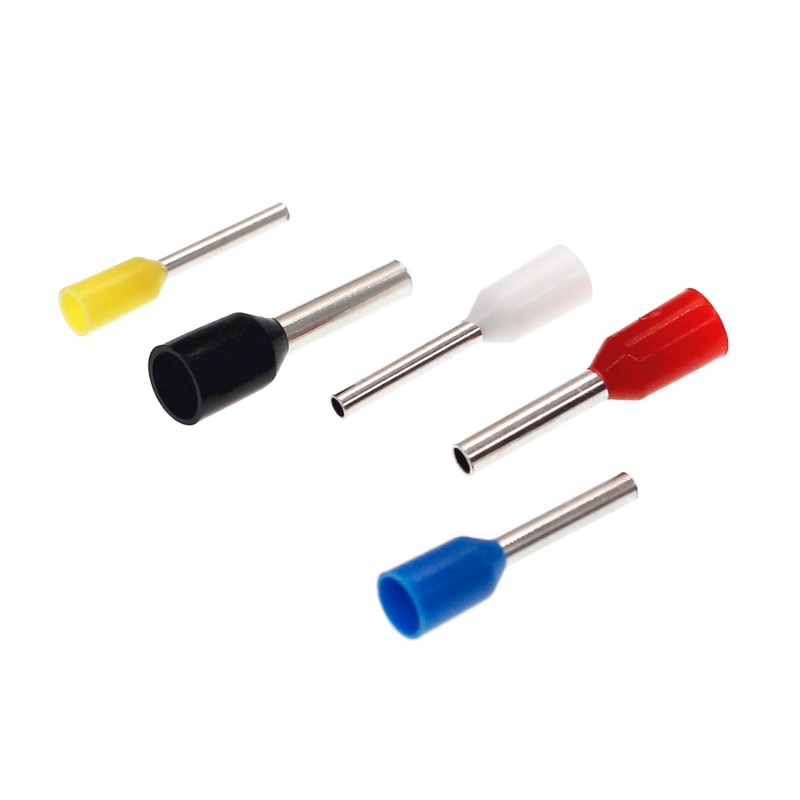
What Are Wiring Terminals?
A wiring terminal is a conductive component used to connect one or more electrical wires to a device, component, or circuit. They act as endpoints or bridges that make electrical contact while providing mechanical support for the connection.
Terminals are typically made from copper, brass, or aluminum alloys, often plated with tin or nickel for corrosion resistance and improved conductivity. Their design allows for quick installation, secure fastening, and easy disconnection, making them ideal for maintenance and high-volume production environments.
Functions of Wiring Terminals
Wiring terminals serve several key purposes in electrical systems:
- Electrical Connectivity: Provide a reliable path for current flow between conductors and devices.
- Mechanical Support: Secure wires in place, preventing vibration, stress, or accidental disconnection.
- Safety and Insulation: Prevent short circuits and accidental contact through insulated or covered terminal designs.
- Ease of Assembly and Maintenance: Enable fast wiring during installation and allow for easy repairs or replacements.
- Standardisation: Simplify circuit design by using uniform connection interfaces across multiple devices.
In short, wiring terminals make electrical systems safer, more modular, and easier to service.

Common Types of Wiring Terminals
There are many types of wiring terminals designed to meet different voltage, current, and environmental requirements. Below are the most common categories used in electrical and electronic applications:
1. Ring Terminals
These are among the most common terminal types. The wire is crimped into the ring terminal, and the ring end is secured to a stud or screw.
- Applications: Automotive wiring, industrial panels, and power distribution systems.
- Benefits: Strong mechanical hold and vibration resistance.
2. Spade Terminals (Fork Terminals)
Shaped like an open-ended fork, spade terminals allow easy installation and removal without completely removing the screw.
- Applications: Consumer electronics, lighting fixtures, and control panels.
- Benefits: Quick installation and serviceability.
3. Pin Terminals
Designed with a cylindrical pin that fits into terminal blocks or connectors, providing stable electrical contact.
- Applications: Relay sockets, PCB connectors, and control systems.
- Benefits: Suitable for tight spaces and multi-pin connectors.
4. Bullet Terminals
Feature a male-female connection system that easily snaps together.
- Applications: Automotive and marine wiring systems.
- Benefits: Quick connection and disconnection, ideal for modular wiring.
5. Butt Connectors
Used to connect two wires end-to-end, often insulated for safety.
- Applications: Automotive repairs, appliance wiring, and splicing.
- Benefits: Strong, sealed connection that maintains continuity.
6. Flag Terminals
Have a 90° angled design, used in space-limited areas where straight terminals cannot fit.
- Applications: HVAC units, circuit boards, and machinery wiring.
- Benefits: Space-saving and durable under mechanical stress.
7. Quick Disconnect (Faston) Terminals
Allow easy plug-and-unplug operation without tools.
- Applications: Household appliances, control panels, and audio systems.
- Benefits: Ideal for applications requiring frequent disconnection.
8. Ferrule Terminals
Used to terminate stranded wires, preventing fraying and improving the connection in screw terminals.
- Applications: Industrial control cabinets and power supplies.
- Benefits: Reliable, corrosion-resistant, and improves electrical contact quality.

Materials and Construction
Wiring terminals are typically constructed from conductive metals such as:
- Copper: Excellent electrical conductivity and flexibility.
- Brass: Strong and corrosion-resistant, commonly used in industrial applications.
- Aluminum: Lightweight and cost-effective for power applications.
- Tin/Nickel Plating: Enhances corrosion resistance and provides oxidation protection.
The insulation sleeves are generally made from PVC, nylon, or heat-shrink materials to improve safety and strain relief.
At LHE, we use high-purity copper alloys and precision stamping processes to ensure optimal conductivity, consistent crimp strength, and long service life.
How to Choose the Right Wiring Terminal?
Selecting the right terminal depends on several key factors:
- Wire Size (AWG): Choose a terminal compatible with your wire gauge to ensure proper crimping and electrical contact.
- Current Rating: Verify that the terminal can handle the expected current without overheating.
- Connection Type: Determine whether you need a permanent crimped connection or a removable plug-type terminal.
- Insulation Type: Use insulated terminals for added safety in high-voltage or high-vibration environments.
- Material Compatibility: Match metals to avoid galvanic corrosion (e.g., copper wire with tin-plated terminals).
- Environmental Conditions: For outdoor or marine applications, select terminals with waterproof or sealed insulation.
- Mounting Method: Choose ring or spade terminals for screw mounting, or bullet/quick disconnects for plug-type connections.
- Pro tip: LHE offers expert consultation to help you select the ideal terminal type, material, and insulation for your specific project.

Applications of Wiring Terminals
Automotive and Transportation
Used extensively in vehicle wiring harnesses, wiring terminals ensure vibration-resistant and heat-tolerant connections for systems like lighting, sensors, and control modules.
Industrial Equipment
Terminals simplify the wiring of control panels, motors, and power systems in manufacturing environments.
Consumer Electronics
In home appliances, TVs, and audio systems, terminals enable easy assembly, repair, and modular design.
Renewable Energy
Solar panels and battery systems rely on terminals for safe, efficient current transfer under variable environmental conditions.
Marine and Aerospace
Corrosion-resistant, sealed terminals are essential for maintaining performance in harsh, high-humidity environments.
Electrical Distribution
Terminals are key components in switchgear, distribution boxes, and circuit protection systems.

Advantages of Using LHE Wiring Terminals
At LHE, we combine precision engineering with advanced manufacturing to deliver wiring terminals that go beyond industry expectations. Our products ensure reliable electrical performance with low contact resistance and high conductivity for stable current flow. Durability and corrosion resistance are guaranteed through tin or nickel plating, providing lasting protection even in harsh environments.
With a wide product range—from ring and spade terminals to custom ferrules—our offerings meet global standards such as UL and IEC. Each terminal is designed for easy installation, compatible with automated crimping tools to maximise mass production efficiency. Fully compliant with RoHS, REACH, and ISO 9001 quality standards, LHE also provides custom solutions tailored to specific mechanical and electrical requirements, ensuring the perfect fit for every application.
Best Practices for Installing Wiring Terminals
- Use the Correct Crimping Tool: Always match the crimping tool to the terminal type and wire gauge.
- Ensure Proper Strip Length: Avoid leaving exposed wire strands that could cause short circuits.
- Apply the Right Pressure: Too much or too little crimp force can weaken the connection.
- Inspect Crimps Visually: Check for tight, symmetrical crimps without damaged insulation.
- Perform a Pull Test: Gently tug the wire to confirm secure mechanical bonding.
- Label and Organise: For complex systems, labelling terminals ensures easy maintenance and troubleshooting.

Why Choose LHE as Your Wiring Terminal Partner?
With decades of experience in electrical connector manufacturing, LHE has established itself as a trusted global supplier for high-quality wiring terminals and connector systems. Our products are used by OEMs in automotive, industrial, and consumer electronics sectors worldwide.
We offer:
- Precision-engineered terminals are manufactured under strict quality control.
- Custom design support for specialised applications.
- Responsive technical support and reliable global delivery.
- Choosing LHE means choosing safety, quality, and performance you can rely on.
Conclusion
Terminal blocks may be small, but they’re essential to every electrical system. They provide safe, efficient, and durable connections, ensuring power delivery and smooth system operation. By understanding the different types and applications of terminal blocks and choosing reliable components from a trusted manufacturer like LHE, you can ensure superior electrical performance and long-term reliability for any project.
Whether you need ring terminals, spade terminals, sleeves, or a custom solution, LHE delivers precision, quality, and reliability in every connection.