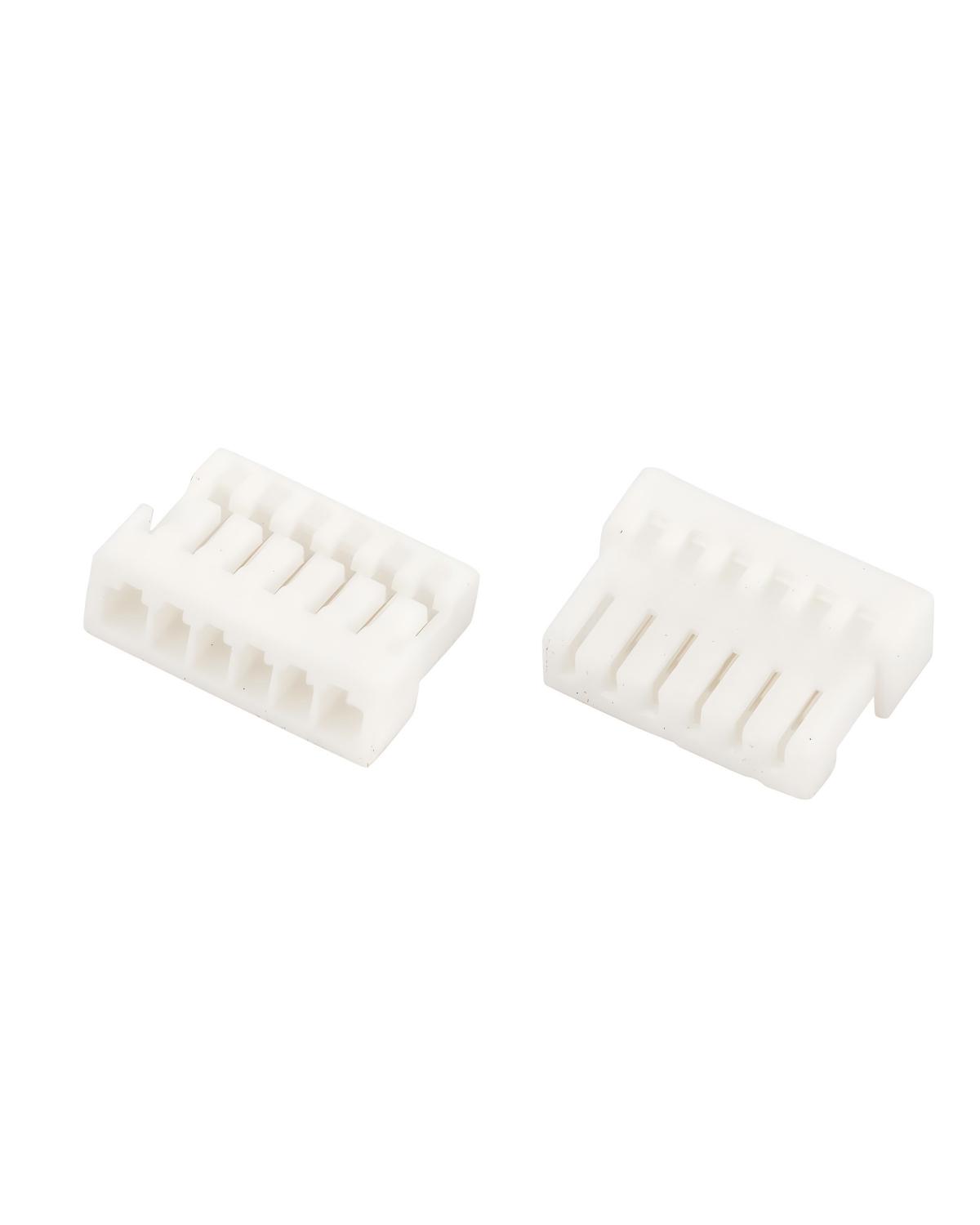
Core Overview:PA66, PBT, and PA66+GF30 are the three most common thermoplastic housing materials for electrical connectors. PA66 delivers toughness and low cost, PBT delivers dimensional stability and stable electricals, and PA66+GF30 adds glass fiber for heat resistance and rigidity. Each material solves a different set of problems.
The housing does most of the mechanical work in a connector. It holds the terminals, carries the latch and polarization features, and protects the contact area from moisture, dirt, and chemicals. If the housing swells, warps, or cracks, the connector fails even when the contacts are perfect.
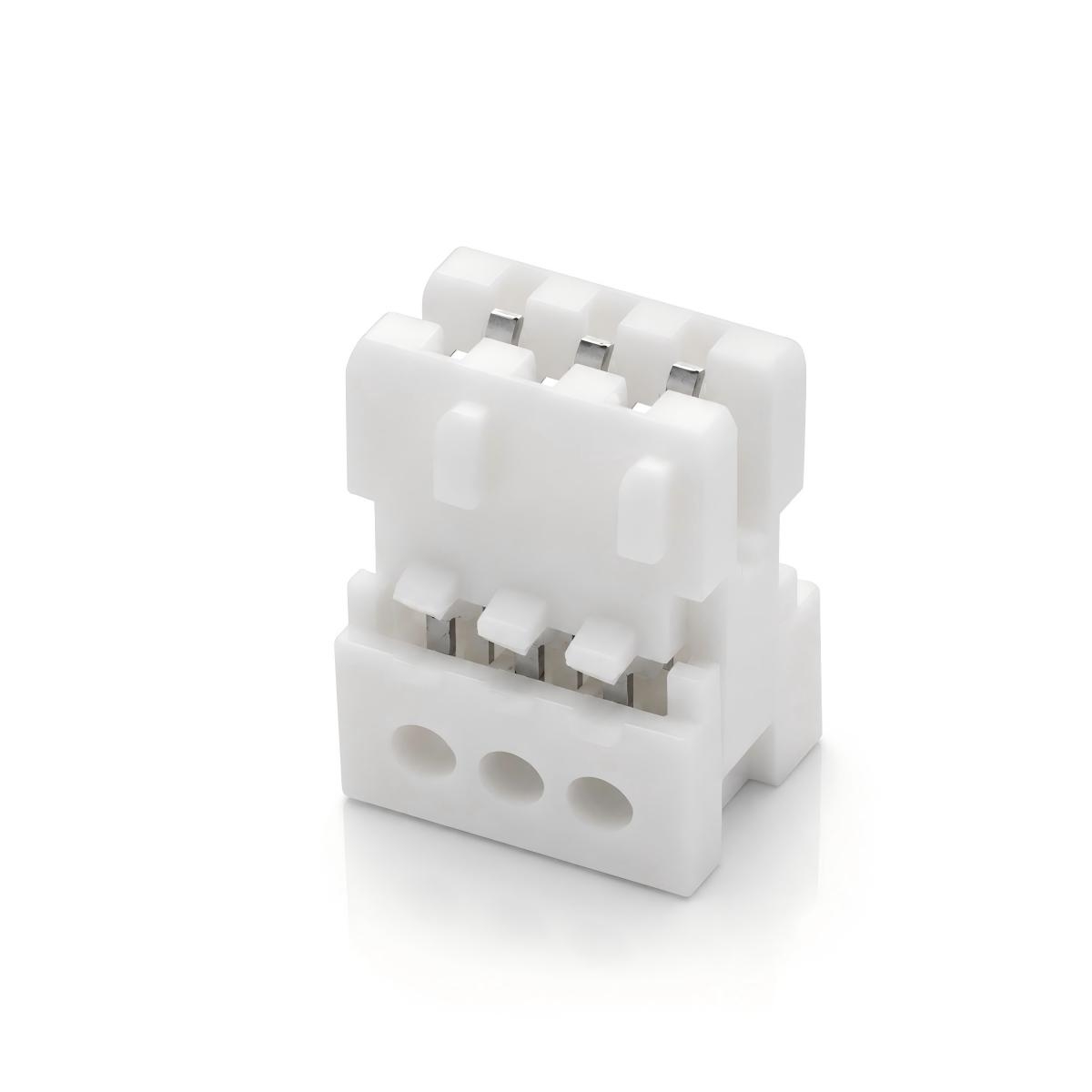
Housings in PA66, PA66 GF30, and PBT grades are molded in production runs every week across the connector industry, so these trade‑offs are well documented in practice. Most housings run in the typical ‑25 to 105 °C range and are molded in UL94 V‑0 flame‑rated grades unless a project specifies otherwise. Start with this introduction to connector material PA66 GF30 to see how glass‑filled nylon behaves in production.
PA66 and PA66+GF30: Nylon and Its Glass‑Filled Version
What Plain PA66 Delivers
PA66, or nylon 66, is the default housing material for a reason. It is tough, resists abrasion, and takes repeated mating cycles without cracking. A PA66 snap latch flexes further than a PBT latch of the same geometry, which matters on housings that get plugged and unplugged every day. That combination makes plain PA66 the workhorse of appliance connectors, terminal blocks, and general wiring. If the application is indoors and cost matters, unfilled PA66 is hard to beat. See how it is used across real product families in this PA66 connector line.
The catch is moisture. Nylon is hygroscopic, so it absorbs water from the air. Water acts as a plasticizer: a housing that has soaked up humidity gets slightly softer, its dimensions drift, and insulation resistance drops over time.
What 30% Glass Fiber Changes
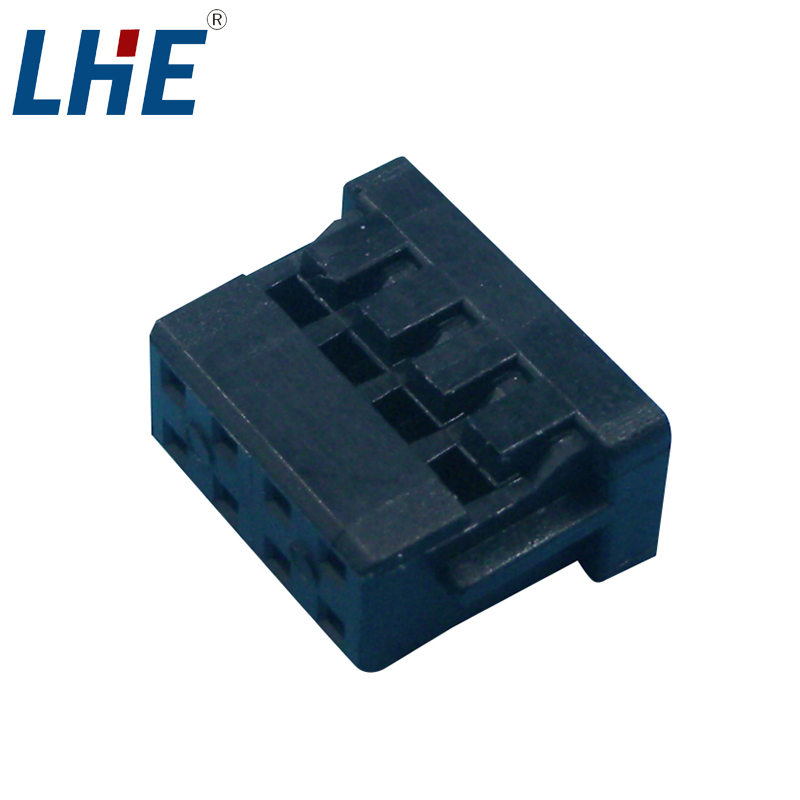
GF10, GF20, and GF30 tell you the glass fiber content by weight: 10%, 20%, or 30%. The fiber does not change the chemistry of the nylon, but it changes the mechanics. PA66+GF30 is roughly twice as strong in tension as unfilled PA66, deflects far less under load, and its heat deflection temperature jumps well above the unfilled grade. Exact numbers vary by compound; check the datasheet. That is why PA66+GF30 dominates engine bay connectors. Engine compartments combine heat, vibration, and high terminal retention loads, and the glass‑filled grade holds terminal position and contact force where unfilled nylon would creep. For a part that must keep its geometry at temperature for years of service, the glass content is a requirement, not an upgrade.
Trade‑Offs: Surface Finish and Impact Strength
The fiber cuts both ways. Glass‑filled surfaces come out of the mold rougher, with visible flow lines, which is fine inside a device, less so on visible parts. The material is also more brittle: elongation drops, so thin latches and clips need generous radii, and impact strength is lower than unfilled nylon. Molders also pay a price: glass fiber wears tooling faster, and fiber orientation in thin walls can cause warpage if gates and ribs are not designed well. For most technical housings these are acceptable costs; for cosmetic parts they may push you to a different material.
PBT: The Dimensional and Electrical Specialist
Why PBT Holds Its Shape
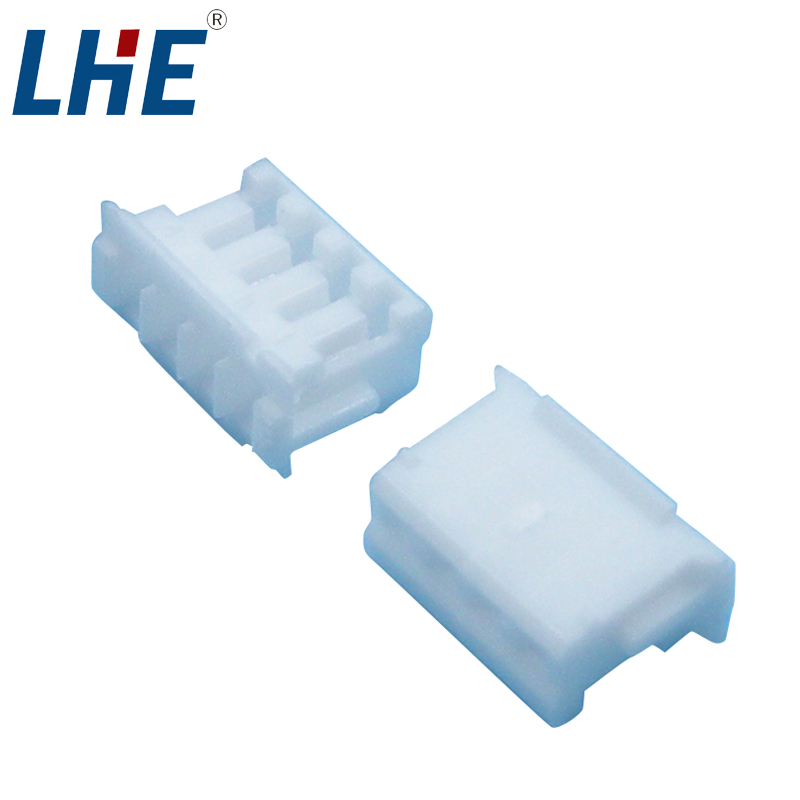
PBT, or polybutylene terephthalate, is the material you pick when dimensions and electricals must stay put. Its water absorption is very low, typically under 0.1%, versus the 1% or more nylon takes up in a day of immersion. That difference drives its behavior: no swelling with humidity, no softening in wet air, and insulation resistance that stays stable in damp environments. PBT also has excellent electrical properties, molds to tight tolerances with a clean surface, and resists oils, solvents, and cleaning agents. Those are the demands of precision parts: high‑density signal connectors, terminal position assurance, and housings that live where nylon would drift. When engineers need a PBT connector housing that keeps its pitch as humidity changes, PBT is the standard answer. For higher mechanical loads, the same chemistry is available with glass fiber, such as PBT GF30 connector housings and PBT GF20 housings.
Where PBT Falls Short
PBT is not a universal answer. It is more brittle than nylon, so snap latches need careful design to avoid cracking at the hinge, and impact strength is lower. Heat resistance also sits a step below glass‑filled nylon: typical PBT melts around 223 °C versus roughly 260 °C for PA66, so sustained heat next to a hot component favors nylon. Long‑term contact with hot water is another weak spot, so confirm the grade with your supplier.
PA66 vs PBT vs PA66+GF30: Side‑by‑Side
The table below compares a PBT connector housing against plain PA66 and PA66+GF30 across the properties that drive most decisions. Values are typical; a specific compound can shift them, so verify against the datasheet.
| Property | PA66 (Nylon 66) | PA66+GF30 | PBT |
|---|---|---|---|
| Water absorption | High (typical 1%+ in 24 h) | Lower than unfilled, still notable | Very low (typical under 0.1%) |
| Dimensional stability | Moderate, drifts with humidity | Good | Excellent |
| Heat resistance | Good within ‑25 to 105 °C range | Highest of the three | Good, below glass‑filled nylon |
| Mechanical strength | Good | Highest (glass reinforced) | Moderate |
| Impact toughness | Excellent | Reduced vs unfilled | Lower than nylon |
| Insulation in humid air | Drops as moisture is absorbed | Better than unfilled | Stable |
| Surface finish | Smooth, easy to mold | Rougher, visible glass | Smooth and clean |
| Chemical resistance | Moderate | Moderate | Good (oils, solvents) |
| Relative cost | Lowest | Mid | Mid to high |
| Typical use | Appliances, general wiring | Automotive, high temperature, high load | Precision, signal, humid or industrial |
How to Choose the Right Housing Material
Automotive Engine Bay and High‑Temperature: PA66+GF30
If the connector sits near an engine or any sustained heat source, start with PA66+GF30. The glass content holds terminal position under vibration, resists creep at temperature, and keeps the assembly rigid over the typical ‑25 to 105 °C range. Confirm peak limits with the datasheet.
Precision Electrical and Signal: PBT
In a humid plant, a coastal environment, or any wet air, PBT keeps its dimensions and insulation where nylon drifts. Tight pitch, high pin counts, and cleaning chemicals point the same way. When the part also needs stiffness, step up to the GF20 or GF30 PBT grades.
General Appliances and Cost‑Sensitive: PA66
For indoor appliances, power tools, and general wiring at room temperature, plain PA66 delivers the toughness and price you want. The moisture issue barely shows in a dry indoor product, and nylon snap‑fits well in high‑volume assembly.
One more option: mixed systems. A connector can combine a PA66+GF30 housing with a plain PA66 latch, or a PBT base with a nylon retainer.