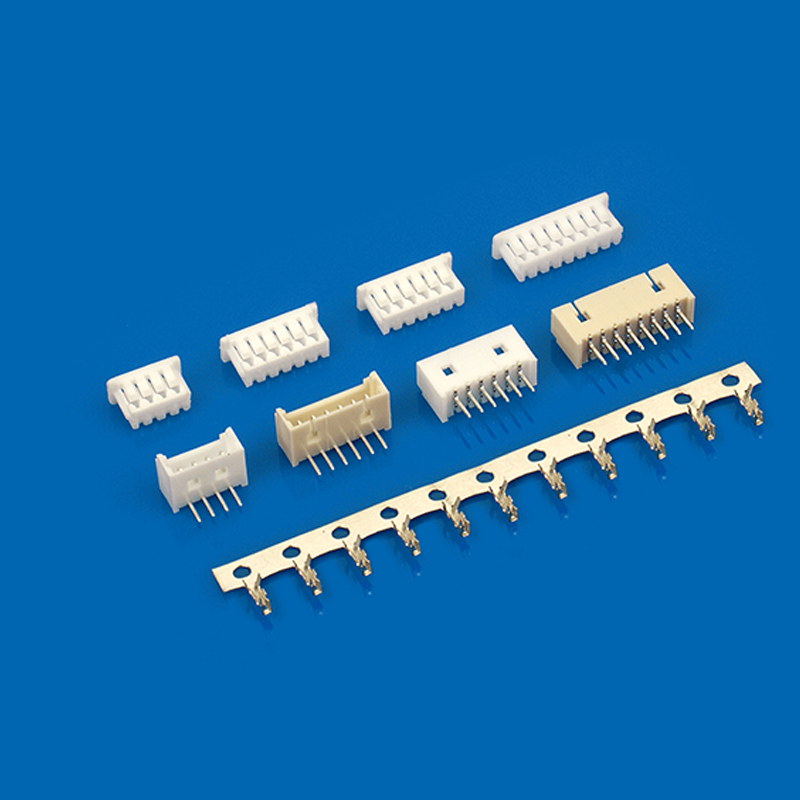
Connector Selection Pitfall Avoidance Guide: 5 Commonly Overlooked Key Points in Electronic Connector Procurement
As the “bridge” for equipment circuits, electronic connectors appear structurally simple yet directly determine the operational stability of complete devices. Many purchasers and engineers only verify pitch, pin count and outline dimensions during selection, while overlooking hidden critical requirements. After mass production, frequent failures such as poor contact, overheating, loosening and aging occur, resulting in rework costs and after-sales losses.
1. Only Verifying Rated Current While Ignoring Temperature Rise and Continuous Current-Carrying Capacity
For most procurement teams, the primary selection criterion is the rated current listed on datasheets. Few realize that published current values are usually obtained under ideal test conditions. Variables affecting actual current-carrying performance include ambient temperature, wire gauge, full-load operation of multiple pins simultaneously, and heat dissipation inside enclosed housings. For connectors of the same specification, cumulative heat generated when all pins are energized will significantly reduce the allowable operating current.
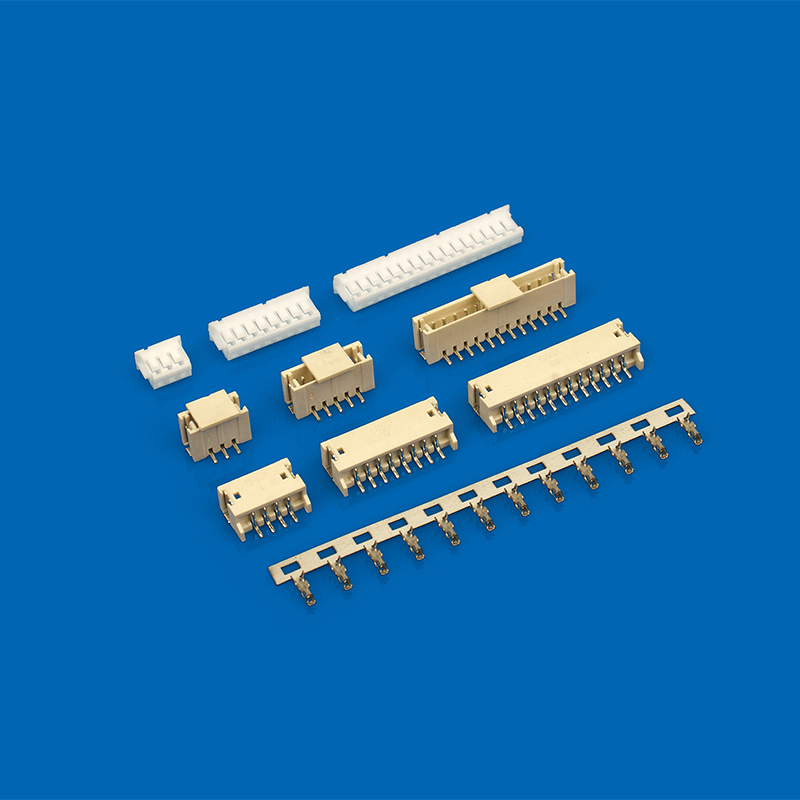
2. Underestimating Operating Environments and Mismatched Protection & Temperature Resistance Ratings
Temperature, humidity, vibration, oil contamination and dust are leading causes of connector failure. It is common practice to select consumer-grade connectors for industrial appliances, small home appliances and outdoor equipment. Typical pitfalls:
- Deploying non-waterproof connectors on outdoor or moisture-prone devices, leading to terminal oxidation from moisture ingress;
- Using plastic housings with insufficient heat resistance near motors and heat-generating components, resulting in softening and deformation after long-term operation;
- Omitting locking anti-disengagement structures for vibration-prone equipment, causing terminal loosening during continuous operation.
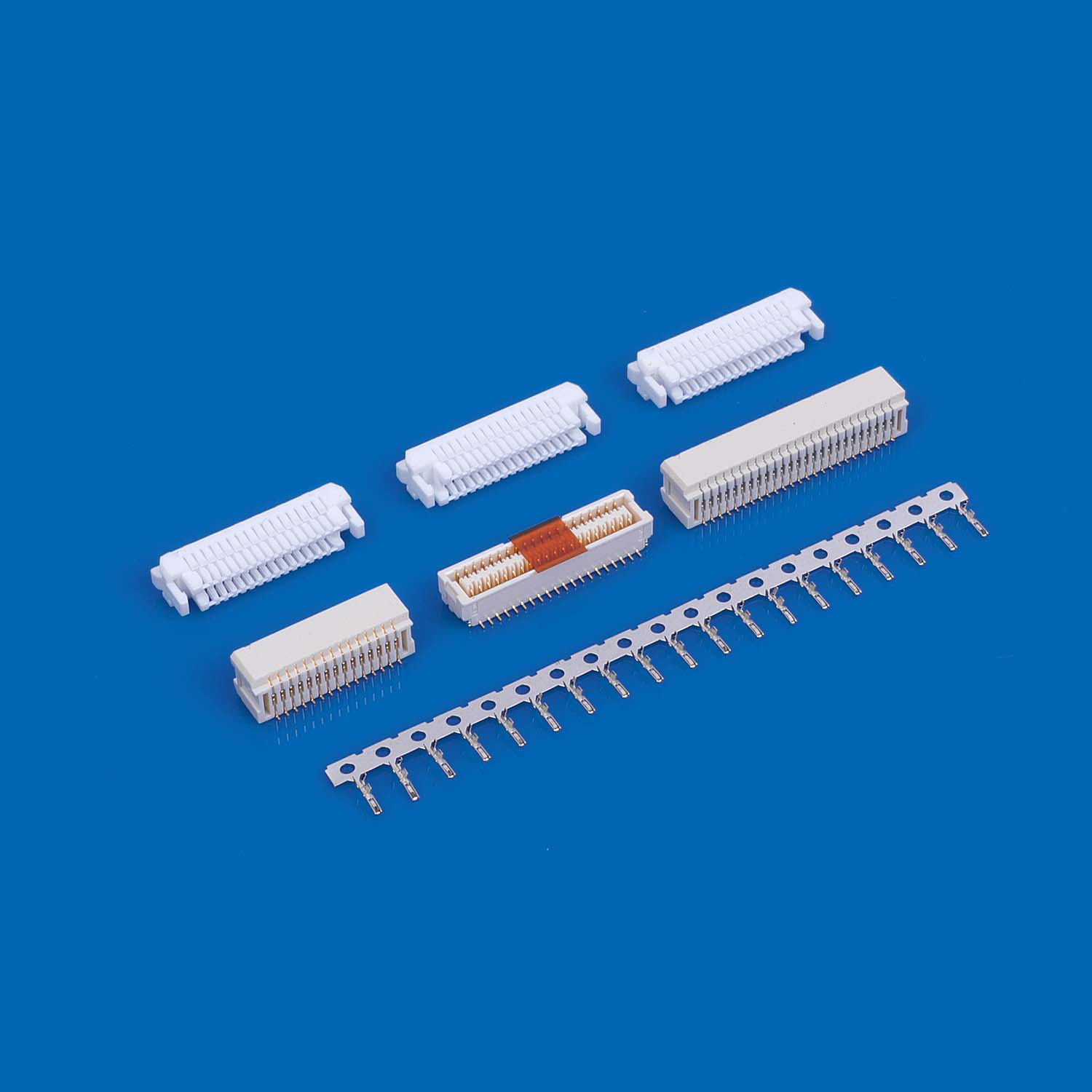
3. Neglecting Terminal Plating Quality, Leaving Long-Term Oxidation Risks
Gold plating, nickel plating and tin plating are mainstream connector surface finishes. Many purchasers merely ask “whether gold plating is applied” without clarifying plating thickness and manufacturing processes.
- Thin gold plating: performs well in short-term tests but suffers coating abrasion and corrosion under long-term temperature cycling and humid conditions, leading to rising contact resistance and signal interruption;
- Poor plating processes with pinholes allow moisture to penetrate and corrode the underlying copper substrate.
Application recommendations: Heavy gold plating is preferred for high-frequency signal equipment and devices running non-stop over long periods; tin plating can be adopted for general low-voltage circuits to balance cost and service life.
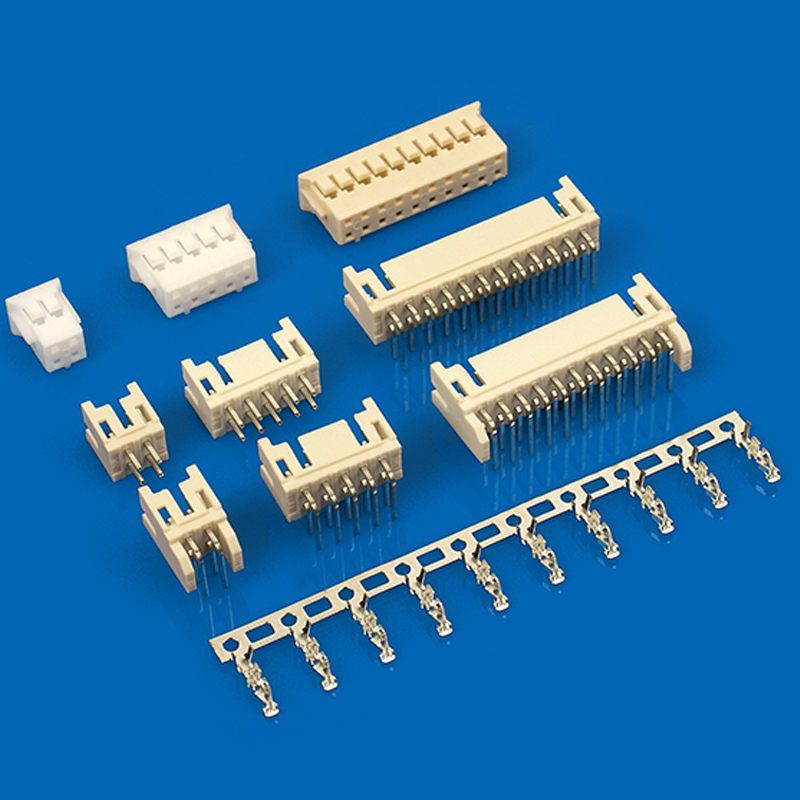
4. Wire Harness Compatibility: Mismatch Between Crimp Design and Wire Specifications
Many malfunctions stem not from the connector itself but improper wire matching. Common selection issues:
- Narrow wire gauge range for terminals: oversize wires cause crimp cracking, while undersize wires result in insufficient clamping force;
- Separate procurement of terminals and wires without unified matching, failing to meet crimp pull force requirements;
- Confused assembly architectures: wrong selection of wire-to-wire, wire-to-board or board-to-board structures.
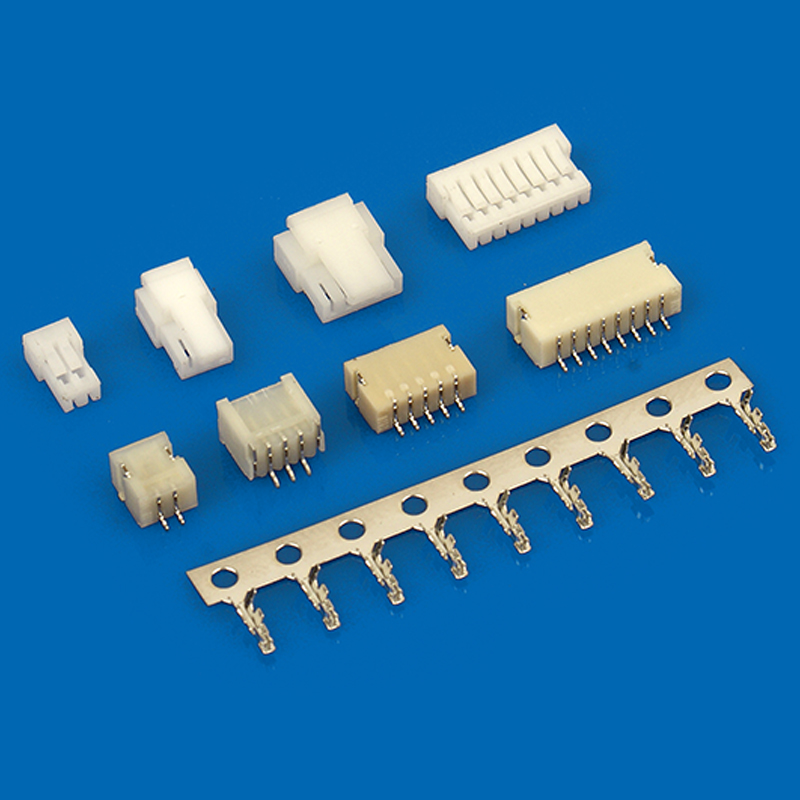
5. Lack of Consideration for Long-Term Supply and Interchangeability, Leading to Passive Risks in Later Stages
Project teams tend to focus on sample pricing in early phases and overlook supply chain risks:
- Adoption of non-standard niche connectors, which face stockouts, extended lead times and limited alternatives later;
- Substitute parts with inconsistent dimensional tolerances that cannot directly fit existing PCBs and enclosures;
- Lookalike components of the same model from different manufacturers feature differing terminal spring force and plastic materials; mixed use causes assembly jamming and poor contact.
✅ Selection Recommendations: Prioritize standard universal connector series for new projects. If customization is required, cooperate with original manufacturers with stable mass production capacity and archive formal specification drawings to guarantee consistent long-term supply.
Connector selection is far more than simply placing orders by matching pin count and pitch on drawings. The five easily overlooked factors — current margin, working conditions, terminal plating, wire compatibility and supply interchangeability — directly impact long-term product reliability.
Proper connector selection can not only minimize prototype debugging issues, but also drastically cut after-sales failure rates of finished products. Should you have any questions regarding connector selection and sample testing, feel free to contact us. We can provide professional selection solutions and sample support tailored to your equipment application scenarios.