Automotive Wire Harness Types, Functions, and Applications in Modern Vehicles
Modern vehicles are no longer purely mechanical machines. They rely on complex electrical systems to support everything from engine control to advanced driver assistance features. At the center of these systems is the automotive wire harness, which connects electrical components and ensures reliable communication across the vehicle.
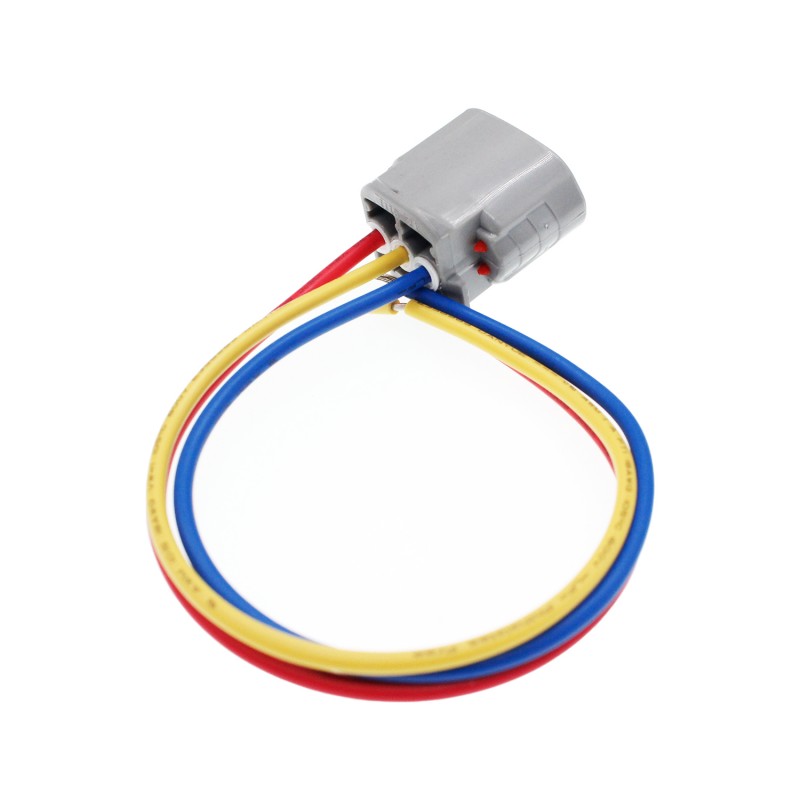 An automotive wire harness is a structured assembly of wires, connectors, and protective materials designed to transmit electrical power and signals efficiently.
For manufacturers and engineers, understanding how wire harness systems work is essential for improving vehicle performance, safety, and long-term durability.
What Is an Automotive Wire Harness?
An automotive wire harness is often described as the central network of a vehicle’s electrical system. It bundles multiple wires into an organized structure that connects key components such as the engine, sensors, lighting systems, and control units.
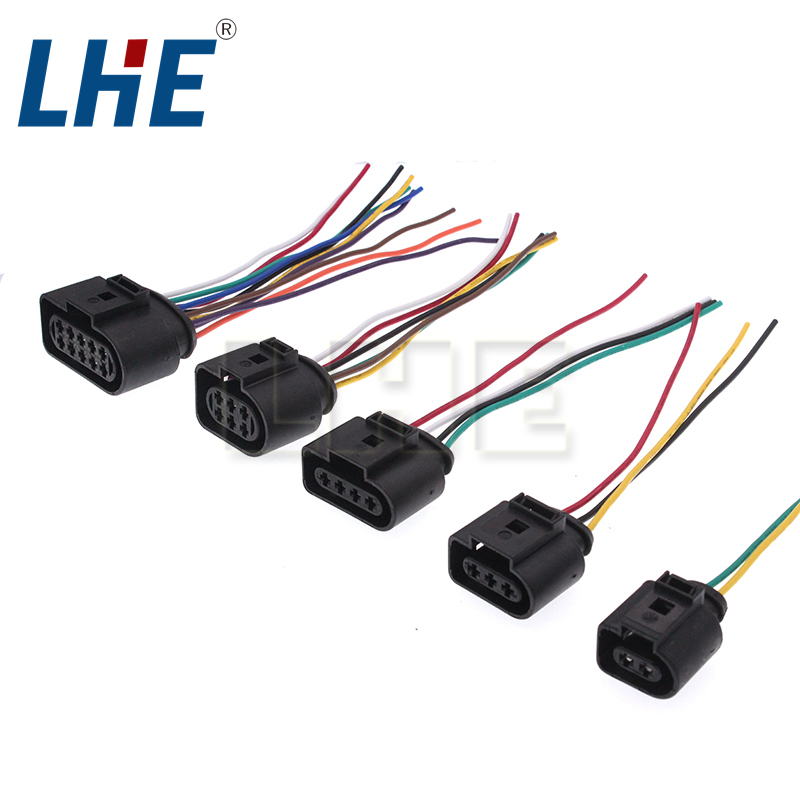 Instead of dealing with individual wires, a harness groups them together and protects them with insulation and shielding materials. This approach reduces installation complexity and improves reliability under harsh conditions such as vibration, heat, and moisture.
In modern vehicles, the total length of wiring can exceed several kilometers, making harness design a critical part of automotive engineering.
Key Functions of Automotive Wire Harness Systems
Automotive wire harnesses perform several essential functions that keep vehicles operating efficiently:
Power Distribution
Wire harnesses deliver electrical power from the battery to various components such as the engine, lighting systems, and onboard electronics.
Signal Transmission
They carry communication signals between sensors, control units, and actuators, allowing systems like braking, steering, and infotainment to function properly.
System Organization
By bundling wires into a structured assembly, harnesses simplify installation and maintenance while reducing the risk of wiring errors.
Protection and Safety
Protective coverings shield wires from abrasion, chemicals, and environmental exposure, lowering the risk of short circuits or electrical failures.
Main Types of Automotive Wire Harnesses
Automotive wire harnesses are designed based on specific vehicle systems. Each type serves a unique function and must meet different performance requirements.
Engine Wire Harness
This harness connects components within the engine bay, including sensors, ignition systems, and fuel injectors. It must withstand high temperatures and vibration.
Powertrain Wire Harness
It links the engine with the transmission and drivetrain systems, ensuring proper coordination and power delivery across the vehicle.
Chassis Wire Harness
The chassis harness supports external and structural components such as lighting, braking systems, and fuel pumps. It is exposed to harsh conditions and requires strong protection.
Body and Interior Harness
This includes wiring for interior systems such as dashboards, infotainment, climate control, and power windows.
Door and Seat Harness
Flexible harnesses are used in moving parts like doors and seats to power locks, mirrors, and adjustment systems.
Safety System Harness
These harnesses support airbags, braking systems, and other safety features, requiring high reliability and precise signal transmission.
High Voltage Harness for Electric Vehicles
In electric and hybrid vehicles, high voltage harnesses connect batteries, inverters, and charging systems. They must handle higher current loads and meet strict safety standards.
Materials and Components Used
Automotive wire harness assemblies consist of several key components that determine their performance:
Conductors: Copper is widely used due to its high electrical conductivity and durability.
Insulation Materials: Common insulation types include PVC and cross linked polyethylene, which provide resistance to heat, chemicals, and moisture.
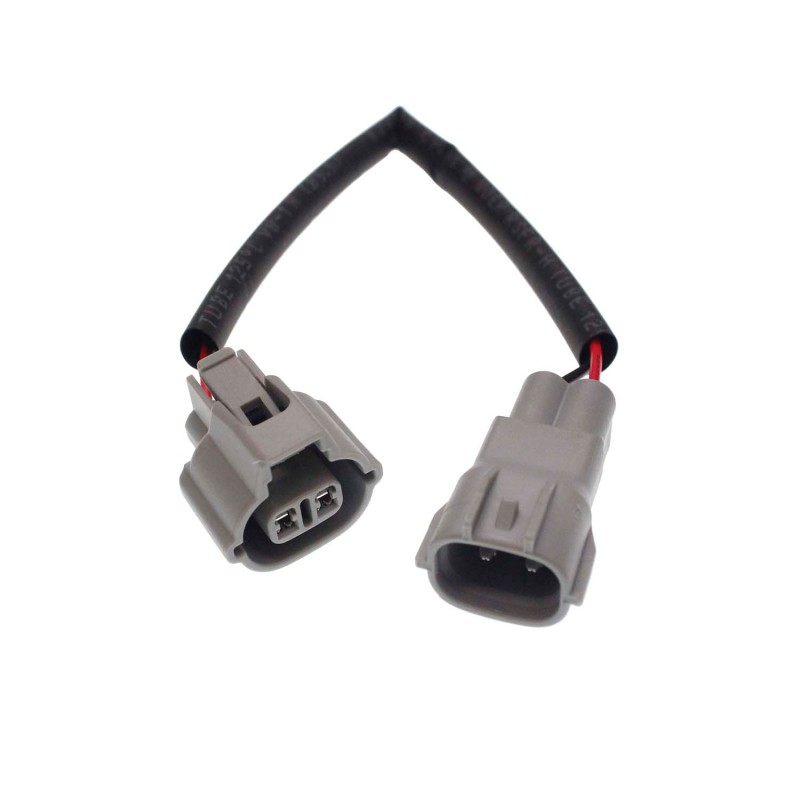
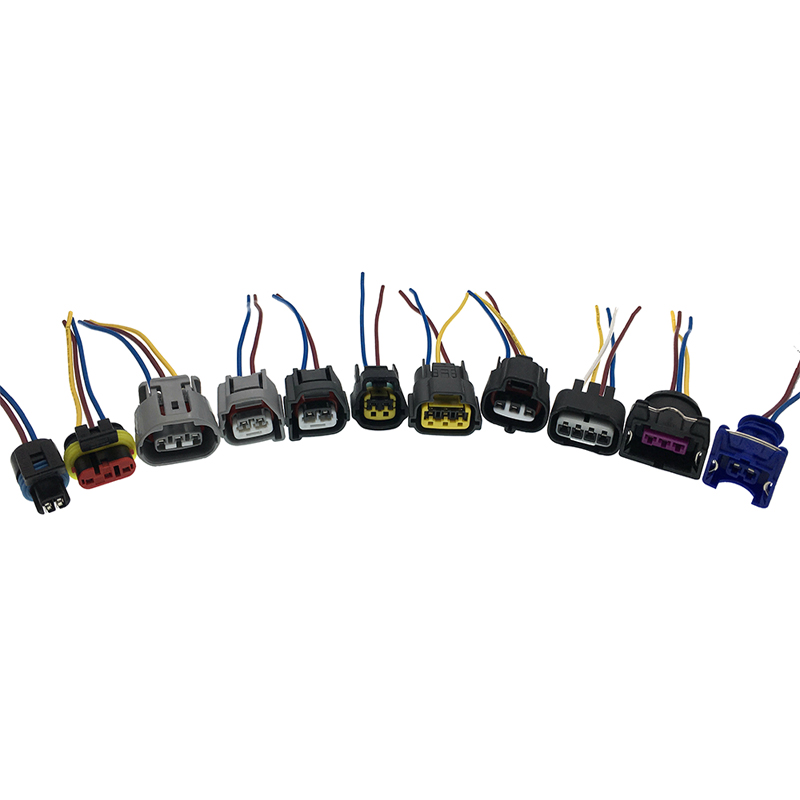
Connectors and Terminals: These components ensure secure connections between electrical systems and allow for easy assembly and maintenance.
Protective Coverings: Outer layers such as corrugated tubes or braided sleeves protect the harness from abrasion and environmental damage.
Applications in Modern Vehicles
Automotive wire harnesses are used throughout the vehicle to support a wide range of functions:
| Application | Function |
| Engine and Power Systems | Connects ignition systems, alternators, and battery components to ensure smooth engine operation |
| Lighting Systems | Provides power to headlights, taillights, and interior lighting for safety and visibility |
| Infotainment and Navigation | Supports communication between displays, sensors, and multimedia systems, enhancing user experience |
| Safety and Control Systems | Enables communication between sensors and control modules for systems like airbags and braking |
| Electric Vehicle Systems | Manages high-voltage power distribution and system integration in electric vehicles |
Design Considerations for Automotive Wire Harnesses
Designing a reliable wire harness requires careful attention to multiple factors:
1. Key Electrical Specifications
- Current-Carrying Capacity: Ensure that the wire can safely handle the expected load. Keep in mind that the current-carrying capacity can drop by about 20% in high-temperature conditions.
- Rated Voltage: Check the maximum operating voltage and the insulation rating to ensure compatibility with the system’s power requirements.
- Insulation Type: Choose an insulation material that matches both the environmental and electrical requirements. The insulation must meet the necessary resistance and temperature rating.
2. Environmental Conditions
- Temperature and Heat Resistance: Ideal for engine bays or high-power circuits that are exposed to extreme heat conditions.
- Oil, Water, and Salt Spray Resistance: These properties are essential for components operating in harsh automotive environments, where exposure to oil, water, and corrosion is common.
- EMI/RFI Protection: Critical for Advanced Driver Assistance Systems (ADAS) and high-speed data communication to ensure signal integrity and prevent interference.
3. Space and Flexibility
- Wire Gauge and Bend Radius: Ensure that the wire can fit into tight spaces without kinking or breaking. This is essential for compact vehicle designs.
- Routing Constraints: Especially important for vehicles with limited space, making it necessary to organize wires in a way that maximizes efficiency and minimizes interference.
4. Regulatory and Customer Standards
Compliance with standards such as LV 112, ISO 6722, UL 758, ELV, and flame-retardant tests is mandatory for safety and performance in automotive applications.
Quality certifications like ISO 9001 and IATF 16949 confirm that the manufacturing process meets rigorous industry standards.
Mechanical performance testing, including tensile strength, thermal aging, and bend life, is essential to verify that the wire harness will perform reliably under real-world conditions.
Advantages of Using Wire Harness Assembly
Wire harness assembly offers several advantages compared to loose wiring systems:
- Faster and more efficient installation
- Reduced risk of wiring errors
- Improved durability and protection
- Better system organization
- Easier maintenance and troubleshooting
By integrating multiple components into a single assembly, manufacturers can improve production efficiency and reduce long term maintenance costs.
Conclusion
Automotive wire harness systems are essential to the operation of modern vehicles. They provide the structure needed to deliver power, transmit signals, and maintain system reliability across a wide range of applications.
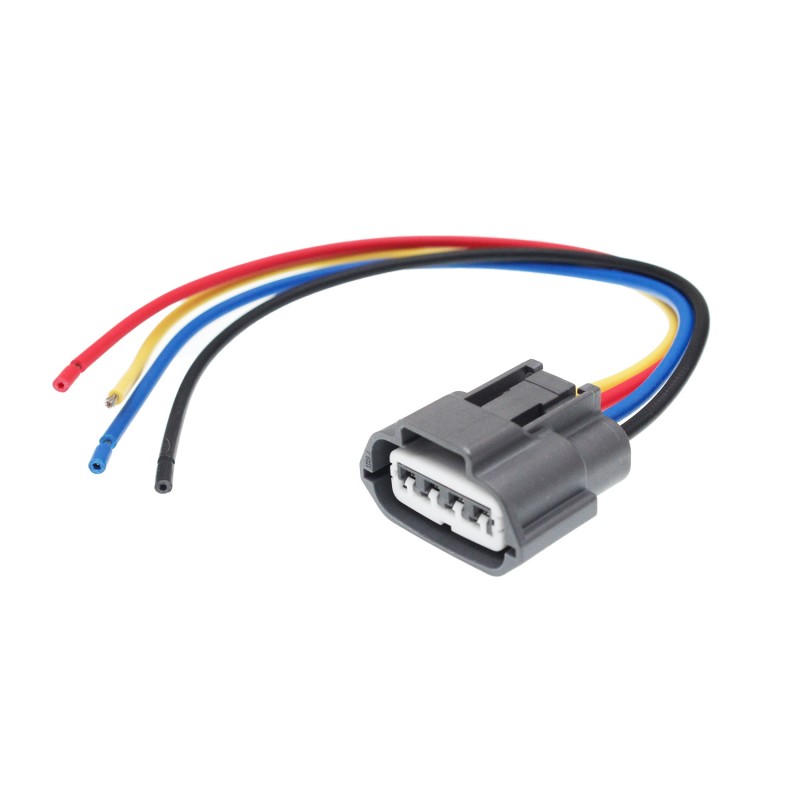 From traditional combustion engines to electric vehicles, wire harness assemblies continue to play a central role in vehicle design and performance. By focusing on proper materials, design, and manufacturing processes, companies can ensure reliable electrical systems that meet the demands of today’s automotive industry.